Picture this: you open your coffee jar, expecting that bold aroma, but… it’s already bland. That sense of disappointment? You’re definitely not alone—it hits most of us at some point.
Here’s the thing: when coffee loses its freshness, it’s more than a small letdown. You end up wasting good beans (and money), your morning routine stalls, and even a premium roast can taste flat or bitter. If you care about your cup, this problem gets old fast.
By the time you’re done here, you’ll know how to master your coffee storage guide at home and rescue your beans from most common pitfalls. You’ll be brewing with confidence—starting with the real reasons freshness makes such a difference.
Why Coffee Freshness Matters For Flavor And Aroma
What’s the real difference between a cup of coffee that energizes your morning and one that’s just, well, plain boring? The answer starts with freshness—and it’s a lot more important than most people realize.
When coffee beans are freshly roasted, they’re packed with hundreds of delicate aromatic compounds. These compounds—think fruity top notes, chocolaty depth, those faint floral hints—begin to break down within days of exposure to air, light, heat, or moisture. Once that happens, your coffee’s flavor and aroma lose their spark, no matter how premium your beans.
In practice: imagine brewing a cup with beans roasted two days ago, versus beans left open in your pantry for a month. The fresh cup greets your senses with complex aromas and lively acidity. The older batch? Flat, bitter, even a little stale. According to the Specialty Coffee Association, up to 70% of a coffee’s perceived flavor is tied to volatile aromatic oils that degrade rapidly after roasting.
💡 Pro Tip: Always buy coffee in small batches. Smaller quantities mean you finish them before they go stale, keeping flavor and aroma at their peak—something even top baristas swear by.
It’s not just about taste. Coffee’s natural oils carry antioxidants and subtle terroir markers—unique to each region—so the fresher your cup, the more of those healthful compounds survive into your mug. Even premium blends from renowned names like Counter Culture Coffee or Stumptown can lose their signature character if you ignore freshness.
| Freshness Level | Expected Aroma | Taste Profile |
|---|---|---|
| Freshly Roasted (1-10 days) | Vivid, lively, intense notes | Complex, balanced, vibrant |
| 2-4 Weeks Old | Noticeably muted, less distinct | Smooth but starts to dull |
| Over 1 Month | Flat, musty, faint aroma | Bitter, stale, lacking nuance |
The truth is, coffee can’t defy time—but smart storage slows the clock. What actually works to lock in freshness might surprise you…
How Light, Air, Heat, And Moisture Affect Your Beans
Ever wondered why your carefully chosen coffee beans lose their depth quicker than you think? That culprit isn’t just time—it’s the unholy quartet: light, air, heat, and moisture. Each one quietly chips away at your beans’ best qualities.
Let’s break it down. Light—especially sunlight or harsh kitchen lighting—causes coffee’s natural oils to degrade, resulting in dull, lifeless flavor. Air does damage as soon as you open the bag. The oxygen interacts with organic compounds, causing oxidation. That’s what leads to staleness. Heat? It accelerates chemical breakdown and evaporates key aroma molecules, often resulting in a bitter aftertaste. Finally, there’s moisture. Even a tiny bit draws out flavor, encourages mold growth, and can create clumping—which affects grind consistency, too.
⚠️ Important Warning: Never store beans in the fridge or freezer unless they’re completely airtight and you plan to use them all at once. According to the National Coffee Association, condensation in these environments speeds up spoilage instead of slowing it down.
- Light: Destroys aroma oils, flattens taste
- Air: Oxidizes flavorful compounds—think cardboard notes
- Heat: Breaks down oils, amplifies bitterness
- Moisture: Causes clumping, reduces shelf life
Picture this scenario: You stash a new batch of single-origin beans in a clear glass jar, leave it near the kitchen window, and don’t use the last cup until two weeks later. That once-delicate aroma? Gone. The last French press brew tastes oddly muted—and no premium equipment can rescue mediocre beans.
| Element | Effect on Beans | Preventive Measure |
|---|---|---|
| Light | Decreases aroma and flavor | Store in opaque containers away from windows |
| Air | Quickens oxidation and staleness | Use air-tight packaging immediately after opening |
| Heat | Speeds up spoilage, alters profile | Store in a cool, stable cabinet |
| Moisture | Invites clumping and mold | Keep dry and sealed, avoid fridges |
Even the highest-rated beans from Blue Bottle or Temple Coffee can lose their punch if you’re not vigilant. And this is exactly where most people make the most common mistake…
Best Ways To Store Coffee At Home—Jars, Bags, And Beyond
Standing in your kitchen, faced with bags, jars, canisters, or vacuum-sealed containers—all claiming to protect your precious beans—how do you actually pick the right storage method? The differences might look small, but they’re the line between bold, vibrant brews and dull, tired cups.
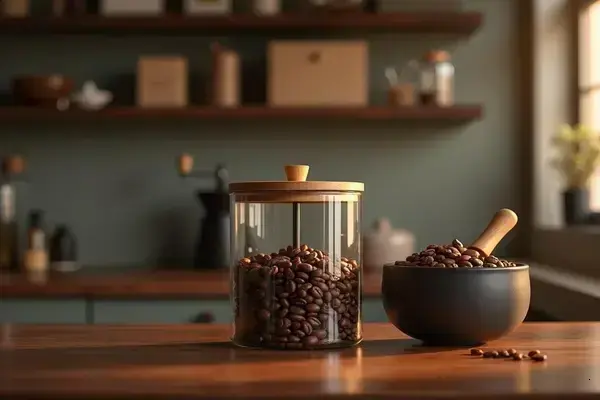
- Choose the right container: Opaque, airtight canisters are ideal. Glass and stainless steel are popular, as they block light and lock out air. Avoid clear jars unless you store them in a dark place.
- Mind the seal: Check that lids have silicone sealing rings. This keeps oxygen and humidity out, preserving flavor.
- Store away from the stove: Cabinets away from heat sources prevent premature spoilage—steady, cool temps keep beans lively longer.
- Keep beans whole: Grind only what you’ll use right away. Pre-ground coffee loses flavor exponentially faster due to greater surface exposure.
- Limit opening frequency: Every time you open a container, air rushes in. Use smaller containers or divide large bags into batches to reduce exposure.
💡 Pro Tip: For special origins or limited lots, use a vacuum-sealed canister like the Fellow Atmos, which actively removes air with a twist-top design. According to the Specialty Coffee Association, this method meaningfully extends bean life for home users.
In practice: imagine you buy a beautiful Costa Rican micro-lot from a top roaster such as Intelligentsia—$20 a bag. Storing it in the resealable bag on the counter, you notice the last cups fall flat after a week. Compare that with splitting the beans between two small Airscape canisters, tucked deep in a cool pantry. Same beans, but flavors stick around longer, and that subtle citrus note lingers through the whole bag.
| Storage Method | Pros | Cons |
|---|---|---|
| Opaque Airtight Canister (e.g., Airscape) | Blocks light, keeps air/moisture out, reusable | Upfront purchase cost |
| Original Valve Bag (sealed) | One-way valve, convenient, sometimes free | Less effective when resealed, not as airtight |
| Vacuum Sealed Container (e.g., Fellow Atmos) | Best oxygen control, optimal freshness | May be bulky, costlier |
But there’s one detail most owners completely overlook until it’s too late…
Common Storage Mistakes That Kill Freshness Fast
Why do so many well-meaning coffee lovers wind up drinking flat, flavorless brews? The issue isn’t your taste buds—it’s those everyday habits that quietly undermine freshness without warning.
- Storing beans in clear jars on the counter: Sunlight boosts oxidation and sends delicate aroma oils into a fast decline. Even beautiful glass jars can ruin expensive beans in under a week.
- Leaving original bags loosely closed: Most roaster bags come with one-way valves but aren’t meant for repeated opening. Air seeps in, making even premium single-origin beans stale before you finish the bag.
- Keeping coffee in the fridge: That cold air may seem like a safe bet, but fluctuating temps and condensation promote clumping, flavor loss, and sometimes even mold exposure.
- Using bulk bins or oversized containers: The more you open and close a large bin, the more oxygen gets in—beans lose their snap, and you end up with a mediocre pour-over.
⚠️ Important Warning: The National Coffee Association specifically advises consumers to avoid refrigeration and transparent storage—the two most common home errors—because the combination of light exposure and humidity can break down flavor in as little as 48 hours.
Picture this scenario: You buy your favorite boutique blend, store it above the dishwasher in a sunny glass canister, and wonder why the last few cups taste nothing like the first. What’s missing isn’t effort—it’s the right environment. And honestly? Even coffee shops struggle with these basics when space is tight.
| Mistake | Impact | Quick Fix |
|---|---|---|
| Clear jar on counter | Sunlight degrades flavors quickly | Switch to opaque, airtight container |
| Unsealed original bag | Beans go stale from air exposure | Transfer to container with rubber gasket right away |
| Pantry above stove or dishwasher | Heat and humidity zap freshness | Move to a cool, dry kitchen shelf |
And this is exactly where most people make the most common mistake…
Simple Tips To Make Your Coffee Last Longer Every Day
If you’ve made it this far, you already know how fragile coffee freshness can be. But what if there were a handful of small tweaks—practices you could start today—that would actually make your beans taste bolder, cup after cup? It’s way more achievable than you might think.
- Buy smaller amounts, more often: Choose quality over bulk. Fresh coffee beats a discount any day—and you’ll always have beans at their peak.
- Seal and store correctly after every use: Get into the habit of pressing out air, resealing bags tightly, or using a proper airtight canister. Consistency here pays off!
- Separate specialty beans: Keep your premium micro-lots and regular blends in their own containers to avoid cross-aroma and unpredictable flavor loss.
- Take note of roast dates: Always check for a date when buying. Use older beans first (FIFO)—write roast dates in marker if your canister makes it hard to track.
- Keep grinding last: Only grind what you’ll use for the next brew. Pre-ground coffee loses character so rapidly, it’s basically a countdown timer on flavor.
💡 Pro Tip: According to the Specialty Coffee Association, even a simple opaque canister placed in a cool, dark pantry helps beans hold their liveliest character for days longer. Habit trumps fancy tech when it comes to daily coffee enjoyment.
In practice: imagine prepping your Sunday morning Chemex. With a JavaPresse stainless canister labeled “Sunday Special,” you measure just the right amount, grind, and the aroma bursts out rich. The last cup tastes as good as the first—no more half-hearted brews at the end of the week.
- Use clean (unscented) containers—leftover smells stick to coffee oils fast.
- Avoid humid, steamy spots like the dishwasher or microwave hood.
- Treat your routine with the same care as your favorite beans—a little attention goes far.
Small steps, repeated consistently, make the biggest difference over time.
Your Freshest Cup Is Closer
If you take just one thing from this coffee storage guide at home, let it be: small changes in storage make a huge difference. Protect your beans from light, air, heat, and moisture, and use airtight, opaque containers. Smart daily habits can keep every cup bold, fragrant, and full of life.
Before, you might have wondered why your coffee tasted flat halfway through the bag, or felt frustrated wasting pricey beans. Now? You’re equipped to lock in freshness, notice better aromas, and enjoy that special flavor until the very last scoop. Little tweaks—big impact. It’s absolutely doable.
What’s your go-to trick for keeping coffee at its best, or is there a storage mistake you’ll fix starting today? Share your story in the comments below—let’s help each other taste more from every brew!

Ethan Cole Hargrove is a pour over coffee enthusiast, specialty coffee writer, and the founder of this blog — built for anyone who has ever tasted a truly great cup of coffee and wanted to understand exactly how to make it at home.
Ethan’s coffee journey started the way most do — with a supermarket blend and a cheap drip machine. Then one morning at a specialty café, a barista handed him a pour over and everything changed. The clarity, the complexity, the way the same bean could taste completely different depending on how you brewed it. He was hooked.
What followed was years of testing every dripper, grinder, kettle, and filter he could get his hands on. Comparing Chemex vs V60 vs Kalita. Dialing in grind size by the click. Learning why water temperature matters more than most people think. Building a morning ritual around a process that is as meditative as it is delicious.
Ethan is not a Q Grader, certified barista, or