Picture this: you’re brewing your favorite coffee, but something always tastes off—bland one day, bold the next. Guess what? The humble filter might be the secret culprit quietly shaping your cup every morning.
Many coffee lovers never realize how much the choice between paper, metal, or cloth filters changes every sip. Stick with the wrong one and you’re stuck with inconsistent results, wasted beans, and a ritual that feels less satisfying than it should. There’s nothing worse than investing in top-notch beans only to lose their magic to the wrong filter.
By the time you’re done here, you’ll finally understand what makes all the difference. You’ll know exactly how coffee filter guide paper vs metal can shift flavors, mouthfeel, and that final clean-up. Ready to see what you’ve been missing? Let’s dig right in.
What Actually Changes In Your Coffee Cup With Each Filter
Ever wondered why your home-brewed coffee feels dramatically different from one filter type to another—even using the same beans, grind, and brew method? It isn’t just your imagination. The filter you choose, whether paper, metal, or cloth, fundamentally shapes your cup’s clarity, mouthfeel, and even its aftertaste.
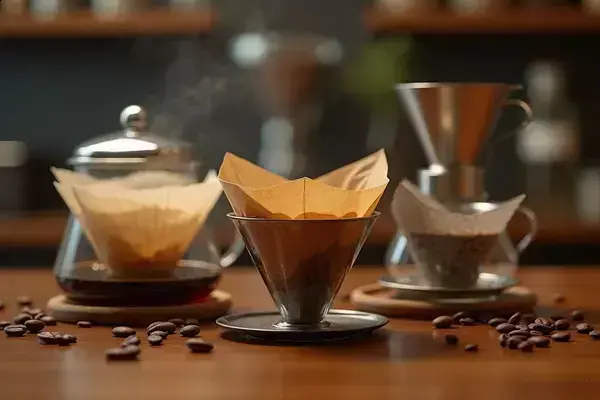
Here’s the thing: the main change comes down to what the filter lets through and what it holds back. Paper filters (typically made by Chemex or Melitta and referenced in the Specialty Coffee Association’s filter standards) trap more oils and fine particles, creating a super-clean cup with bright acidity and delicate layers. Metal filters—think classic stainless-steel mesh like Able Brewing’s DISK or standard French press—let those flavorful oils and fines pass, producing richer, sometimes heavier, coffee that lingers on your palate. Cloth sits somewhere between: it holds back more sediment than metal, but allows some oils through, yielding a cup that’s soft, creamy, and nuanced.
💡 Pro Tip: According to the National Coffee Association, using a paper filter can reduce certain diterpenes (coffee oils linked to cholesterol) in your brew. If that’s a health concern, paper may be your go-to.
In practice: imagine you experiment brewing with a V60, first with a white paper filter, then swapping in a fine metal cone. Same beans. Your paper-filtered cup comes out crisp, tea-like, and translucent—almost no sediment at the bottom. With the metal? Suddenly, it’s fuller, bolder, with a sheen on the surface from those natural oils. It’s not just taste—it’s mouthfeel, aroma, even the look of your drink, all changing based on that simple choice.
| Filter Type | What Gets Through | Cup Result |
|---|---|---|
| Paper | Little to no oils, minimal fines | Clean, high clarity, bright |
| Metal | Oils and fine particles | Full-bodied, strong aroma, textured |
| Cloth | Some oils, minimal fines | Balanced, smooth, creamy mouthfeel |
It’s easy to blame beans or water for a lackluster brew, but most people forget—switching filters literally redefines your final cup’s soul. And this is exactly where most people make the most common mistake…
Paper, Metal Or Cloth: Pros, Cons And Hidden Trade-Offs
How do you choose between paper, metal, or cloth filters when they all promise a great cup—but none are perfect every time? The truth is, each filter comes with its own hidden trade-offs, quirks, and perks that shape your coffee experience in ways even seasoned baristas sometimes underestimate.
| Type | Pros | Cons |
|---|---|---|
| Paper (e.g., Melitta, Hario V60) | Clean taste, easy cleanup, disposable, reduces oils for clarity. Affordable and widely available. | Single use, ongoing cost, not always eco-friendly, can impart slight papery taste if not rinsed. |
| Metal (e.g., Able Disk, French press mesh) | Reusable, eco-friendly, lets coffee oils through for bold flavor, lower maintenance over time. | Can allow fines into cup, requires thorough cleaning, initial investment higher than paper. |
| Cloth (e.g., CoffeeSock, Hario flannel) | Reusable, balanced flavor, soft mouthfeel, minimal environmental impact with care. | Needs regular deep cleaning, can retain old flavors, drying required to prevent mold. |
In practice: picture this scenario—you’re late for work, so you grab a paper filter for quick cleanup. It’s fast, foolproof, and when tossed, leaves you with no mess. Saturday brunch? That’s when you reach for your Chemex metal filter, knowing it’ll bring out those chocolatey notes in the beans from your favorite local roaster. But next week you try cloth, hoping for something versatile—until you realize you forgot to wash it last time, and there’s a musty smell you just can’t ignore. Each choice solves one problem but adds a little challenge of its own.
- Paper: Best for busy mornings, clarity fanatics, or when cholesterol concerns matter.
- Metal: Ideal for eco-minded brewers who love full-bodied cups (and don’t mind a little texture).
- Cloth: Great for ritualists willing to care for their gear—especially if you crave both body and smoothness.
💡 Pro Tip: According to the Specialty Coffee Association, always pre-rinse paper and cloth filters with hot water to remove unwanted flavors and heat your brewer. It really makes a difference.
It’s tempting just to buy what’s on sale or what a friend swears by, but your taste priorities and daily habits matter more. What actually works might surprise you…
How Filter Material Influences Flavor, Texture And Clean-Up
Ever been torn between wanting a clean, crisp coffee and craving a bold, mouth-coating brew? Here’s the thing—you’re not just picking a filter for convenience or cost. The material in your filter is quietly deciding what hits your tongue and what stays behind.
- Flavor: Paper filters catch more oils and super-fine grounds, which means your coffee tends to be brighter with pronounced acidity. Metal, on the other hand, lets those flavorful oils into your cup—so you get a robust, complex profile. Cloth sits in the middle, creating a rounded, balanced taste that highlights both fruit and body.
- Texture: Notice the silky mouthfeel with a Chemex or V60 paper filter? That’s the paper doing its job. With metal mesh (like in an Aeropress or French press), expect a heavier, grittier texture and an oily sheen on top. Cloth provides a “velvet-glove” sensation—think creamy, almost weightless, without the sludgy finish.
- Clean-Up: Paper is the champion of simplicity: just toss and rinse. Metal needs more elbow grease—scrub away trapped grounds or you’ll get old flavors mingling in. Cloth, though eco-friendly, can be high maintenance. You’ll need to rinse it thoroughly and let it dry completely, or you’ll invite mold and stale smells.
💡 Pro Tip: According to World Coffee Research, flavor clarity is directly linked to filtration level—so even top roasters often recommend starting with paper to master a coffee’s subtler notes before experimenting with bolder options.
Picture this scenario: You taste a single-origin Ethiopian through three filters, back-to-back. Paper gives you floral notes up front, with a sparkling finish. Metal brings out cocoa and nutty undertones you never noticed before. Cloth? It tastes like those flavors suddenly get blended—gentle, mellow, nothing overpowering, but nothing lost either.
- Decide on your brew goal: do you want vivid acidity or deep, syrupy body?
- Prep your filter: rinse paper or cloth to remove off-flavors and preheat your brewer.
- Grind size matters—paper likes medium-fine, metal can handle coarse, cloth is forgiving but shines with medium.
- Brew and notice: How does each filter change aftertaste, texture, and clarity?
- Jot notes on taste and mouthfeel. Real baristas (like those cited by the Specialty Coffee Association) always compare results side-by-side to choose the right filter for a bean or mood.
But there’s one detail most owners completely overlook until it’s too late…
Making The Switch: When And Why You Should Change Your Filter
Ever wondered if your usual coffee ritual is holding your brew back? Sometimes, changing your filter can spark a flavor revolution—or, honestly, just make mornings simpler. But when is it truly worth making the switch?
The truth is, filter changes aren’t just about style or trends. They’re about matching your evolving taste, new beans, or even health goals. Some specialty cafes, following guidelines from the Specialty Coffee Association, experiment with all three filter types throughout the year to spotlight coffee characteristics or seasonal offerings. Home brewers should feel just as empowered.
- Take stock of your priorities: Is clarity your thing, or do you crave body and depth?
- Assess your current filter—is it giving you the flavors you want, or is coffee turning out flat or harsh?
- Consider your clean-up routine: If you dread scrubbing, switching from metal or cloth to paper can save time.
- Try blind tastings with your favorite beans through each filter type. Take notes on differences in aroma, clarity, and aftertaste.
- Factor in sustainability: Are you looking to cut down on waste, or is convenience your top concern?
💡 Pro Tip: Many pro baristas recommend making the switch when you change your coffee bean origin or roast level—lighter roasts shine with paper, while dark, oily beans thrive with metal or cloth.
In practice: Picture this scenario—a friend gifts you a rare single-origin bag. You brew it twice: first with your usual metal mesh, then with a fresh paper filter. The paper highlights subtle florals and vibrant acidity. The metal, however, turns up the volume on chocolate and earthiness. Suddenly, your old standby filter feels one-dimensional. The urge to switch becomes crystal clear.
- Switch to paper if you want bright, crisp results or need a low-maintenance routine.
- Switch to metal for fuller-bodied cups, bolder flavors, or to reduce recurring costs.
- Switch to cloth when you want a nuanced middle ground and don’t mind a bit more care.
But there’s one detail most owners completely overlook until it’s too late…
Practical Guide: Choosing The Best Filter For Your Coffee Ritual
Choosing your daily coffee filter isn’t just a technical detail—it’s personal, shaped by taste, time, and even your mood. The right pick will make your ritual more satisfying and repeatable, every morning.
The truth is, there’s no one-size-fits-all answer. Your best filter will depend on your preferred flavor profile, environmental values, and how much patience you have for clean-up. Let’s get practical—and turn you into your own coffee expert.
- Identify your flavor priority: Do you crave clarity and brightness (go paper), creamy texture (cloth), or deep body and intensity (metal)?
- Assess your available gear: Many drip systems require specific shapes—check what fits your brewer before you get creative.
- Factor in time and clean-up: If you’re always rushing, paper is fast. Cloth rewards the patient, and metal offers a good compromise.
- Think sustainability and cost: Cloth and metal filters eliminate waste and save in the long run. Paper is convenient but recurring.
- Experiment, then settle: Try each filter type with the same beans over a week. Take notes on taste and effort to discover your real favorite.
💡 Pro Tip: According to the European Coffee Brewing Centre, even small changes in water temperature and grind size interact with your filter choice. Re-calibrate every time you switch styles for best results.
In practice: picture this scenario—one week, three filters. Monday with a paper Chemex: delicate, floral, and delightfully clear. Thursday’s steel mesh: syrupy, bold, hints of chocolate. Sunday with cloth: soft, comforting, everything smoothed out. By the end, you know—your “best” filter is the one that matches both your bean and your mood.
- For travel or busy mornings: paper (quick, disposable, predictable flavor).
- For eco-conscious households: metal or cloth (no recurring waste, each cup unique).
- For special tasting sessions: keep all three handy, letting your curiosity lead.
Once this is in place, the rest of the routine falls into place naturally.
Your Coffee, Your Perfect Ritual
If you take just one thing from this coffee filter guide paper vs metal, let it be: the filter you choose really does shape your cup, your experience, and your daily mood. Paper shines for clarity, metal for rich body, and cloth walks the middle path—each has a home in your coffee journey. Match your filter to your taste, your beans, even the moment you’re in.
Maybe you started this guide frustrated by bland brews or endless clean-up. Now? You’re equipped to dial in every cup. With your new insight, you’ll waste less coffee, save time, and finally taste your beans the way they’re meant to be. Seeing the difference is powerful—it makes every cup more intentional and satisfying.
Which filter will you try next or swap into your morning ritual? Tell us below—your favorite twist might inspire someone else in the comments!

Ethan Cole Hargrove is a pour over coffee enthusiast, specialty coffee writer, and the founder of this blog — built for anyone who has ever tasted a truly great cup of coffee and wanted to understand exactly how to make it at home.
Ethan’s coffee journey started the way most do — with a supermarket blend and a cheap drip machine. Then one morning at a specialty café, a barista handed him a pour over and everything changed. The clarity, the complexity, the way the same bean could taste completely different depending on how you brewed it. He was hooked.
What followed was years of testing every dripper, grinder, kettle, and filter he could get his hands on. Comparing Chemex vs V60 vs Kalita. Dialing in grind size by the click. Learning why water temperature matters more than most people think. Building a morning ritual around a process that is as meditative as it is delicious.
Ethan is not a Q Grader, certified barista, or