You stand at your kitchen counter, coffee in hand — but no matter what you try, each cup tastes off. One day it’s sour, the next it’s oddly flat. Why does this keep happening?
The culprit might not be your beans or your water. It’s often the grind size that throws everything out of balance. When you don’t get grind size right, the results are frustrating: wasted beans, inconsistent brews, and coffee that never lives up to its promise. If you’ve poured out more than one disappointing cup, you know the sting.
By the end, you’ll have a straightforward coffee grind size guide chart to turn to — plus practical tips for matching grind to brewer, and how to fix those tricky taste problems. Ready to unlock the flavors you’ve always wanted?
Why Grind Size Impacts Coffee Flavor So Much
Ever brewed a cup that tasted great one day—and then, using the same beans, ended up with bitter disappointment the next? It’s wild how such a small detail can make or break your coffee. Here’s the truth: grind size is the often-overlooked key that unlocks your favorite coffee’s full potential.
When you change the size of your coffee grounds, you’re actually controlling how quickly water pulls flavor out of the beans—a process known as extraction. Too fine a grind means water lingers too long, dragging out harsh, bitter notes. Go too coarse, and the water passes through too fast, leaving your brew bland and sour. The Specialty Coffee Association (SCA) emphasizes grind size as a fundamental variable in brewing standards worldwide.
💡 Pro Tip: Want a balanced cup? Aim for an extraction time (the time water is in contact with coffee) specific to your brew method—a French press needs 4 minutes, while espresso is just 25-30 seconds. Adjust your grind until you hit that sweet spot.
The science comes down to surface area. Finer grinds expose more coffee to water but risk over-extraction. Coarser grinds protect you from bitterness but can underwhelm in flavor. That’s why a burr grinder, which crushes beans evenly, beats a cheap blade grinder for consistency every time.
Picture this scenario: you use pre-ground coffee for your drip machine, but the cup always tastes the same—just ‘okay’. You borrow a friend’s burr grinder and dial the setting to medium. Suddenly, that same coffee explodes with flavors you didn’t even realize were hiding there—floral, nutty, sweet, all at once. You’ll never look at supermarket grounds the same way again.
| Grind Size | Extraction Speed | Typical Flavor |
|---|---|---|
| Fine (Espresso) | Fast | Bold, intense, sometimes bitter |
| Medium (Drip) | Moderate | Balanced, smooth, nuanced |
| Coarse (French Press) | Slow | Mild, rounded, less acidity |
And this is exactly where most people make the most common mistake—assuming the right grind is ‘one size fits all’…
Matching Grind Size To Different Brewing Methods
How do you know which grind works best for your favorite brewing method? It’s surprisingly common to think “coffee is coffee”—but matching the right grind size to the perfect method makes all the difference. The stakes? Flavor, texture, and even how much you actually enjoy your morning cup.
Not all grinds play well with every brewer. For example, an espresso machine needs a super-fine texture—almost as powdery as table salt. That helps water extract a bold, layered shot in just seconds. On the other hand, a French press prefers chunky, coarse grounds—think breadcrumbs—so the mesh filter can keep the silt out and allow a gentle, rich steep.
💡 Pro Tip: The National Coffee Association recommends starting with the grind size that’s standard for your brewer, then fine-tuning your grinder a notch at a time if the taste is off. Keep notes—you’ll land on your signature cup faster.
If you use the wrong size, problems follow quickly. Too fine for your drip machine? You’ll get overextraction (bitter, dry). Too coarse for an Aeropress? That cup pours out weak and acidic. Match, and you taste the flavors the roaster intended—chocolatey, fruity, spicy, or floral.
At-a-Glance: Best Grind for Each Method
| Brewing Method | Recommended Grind Size | Why It Works |
|---|---|---|
| Espresso Machine | Fine | Packed, slow extraction; rich crema |
| Drip Coffee Maker | Medium | Balanced flow rate, no sediment |
| French Press | Coarse | Reduces silt, clear steeped flavor |
In practice: picture this scenario—Samantha loves her new Chemex, but every cup is missing the brightness she craves. She reads that Chemex thrives with a medium-coarse grind. She tweaks her burr grinder, brews again, and for the first time…she finally tastes that crisp, clean flavor people rave about.
- If you love pour-over: go medium-fine.
- For cold brew: always grind extra coarse.
- If you prefer moka pot: stick with fine, but not quite as fine as espresso.
What actually works might surprise you… there’s still one brewing detail people forget to check, and it’s hiding right under your nose.
Signs Your Grind Size Is Ruining Your Brew
Ever taken that first hopeful sip only to cringe—too bitter, too weak, or just plain dull? The culprit could be your grind size, quietly sabotaging the taste before you even notice. Here’s the thing: the way your coffee looks, smells, and even feels in your mouth is a giant clue about what’s going wrong.
- Bitter or harsh taste: You’re likely grinding too fine for your method. Over-extracted coffee pulls out undesirable compounds that mask those sweet or delicate notes.
- Watery or flat cup: Chances are your grind is way too coarse, so the water zips through before flavors can develop, resulting in lifeless coffee.
- Sludgy texture in your cup: That’s typically from using a fine grind in a French press or percolator—silt escapes the filter and muddies your drink.
💡 Pro Tip: If you’re switching beans and your favorite recipe suddenly disappoints, tweak your grind size one notch finer or coarser before blaming the roast itself. According to the Specialty Coffee Association, small adjustments to grind are the fastest way to correct brewing problems.
| Symptom | Likely Grind Problem | Quick Fix |
|---|---|---|
| Sour/Tart Flavor | Grind too coarse | Grind finer |
| Bitter/Ashy Taste | Grind too fine | Grind coarser |
| Sludge/Silt | Grind too fine for filter size | Use coarser grind |
Picture this scenario: Mark uses a blade grinder for his drip coffee, but the brew tastes wildly different each morning. Some days it’s bitter, others it’s watery. He tries a burr grinder set to medium—and finally, each cup tastes smooth and balanced, just the way he wants.
What actually works might surprise you… because dialing in grind size isn’t as simple as setting and forgetting—it’s a living, breathing part of every amazing cup.
How To Adjust Your Grinder For Best Results
Wondering how to actually get your grinder dialed in—without wasting a bag of beans or guessing aimlessly? The process can seem intimidating, but with a stepwise approach, you’ll discover just how much control you have over every cup. The best part? Once you master your grinder, you unlock better-tasting coffee with every brew method you try.
- Start with a Clean Slate: Always clean your grinder first. Old grounds and oils can muddle flavors. You’ll need a brush, a soft cloth, and food-safe cleaning tablets for electric burr models.
- Choose Your Brew Method: Decide if you’ll use French press, espresso, drip, moka, or pour-over—each needs its specific grind size.
- Set an Initial Grind: Select the recommended setting for your brew. Most burr grinders offer labeled settings (coarse, medium, fine) or numbers. Don’t stress about getting it perfect on the first try.
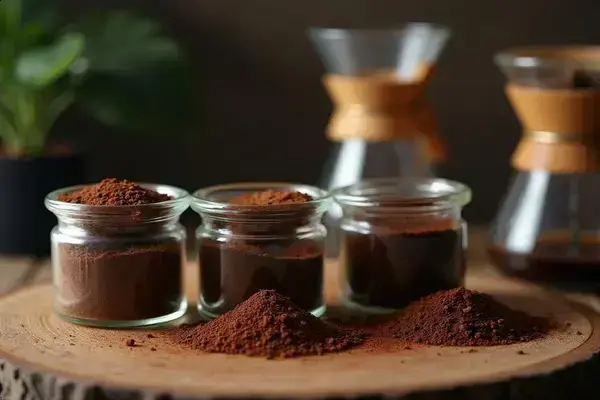
- Grind a Sample: Measure out a small batch of fresh beans (about 18g for a cup), grind, and examine the particle size closely—it should match the texture you’re aiming for: like sea salt for French press, table salt for drip, powdered sugar for espresso.
- Brew and Taste: Make a test cup. Take note of strength, clarity, and bitterness. Too harsh? Try a coarser grind. Too weak or sour? Go finer. Adjust in small increments—sometimes one setting up or down makes a world of difference.
- Record Your Results: Keep a simple notebook or app log for each bean and method. This way, you’re not guessing next time you use a new roast or switch up your equipment.
💡 Pro Tip: According to the European Coffee Brewing Center, even small environmental changes—like humidity or bean age—might require tiny grinder adjustments, so don’t be afraid to tweak settings before each pot.
In practice: imagine you just bought a single-origin Ethiopian roast for pour-over. The first cup tastes a bit sour and watery. Instead of giving up, you nudge your burr grinder one setting finer and brew again. Suddenly, subtle floral notes pop, and the sourness vanishes. Reproducible, delicious results—just from a tiny adjustment.
- Plan for 10–15 minutes the first time you calibrate, then just seconds to adjust for new beans or brew methods.
- Manual burr grinders are best for portability, while electric burr models offer precise, consistent results at home.
- Never use oily, dark-roasted beans in automatic grinders—clean more frequently to maintain your machine and taste quality.
But there’s one more shortcut every serious home barista wants—a cheat sheet you don’t have to memorize…
Quick Reference Grind Size Chart For Home Baristas
Why memorize all those grind styles and brewers when you can reach for a simple, visual guide? Here’s the chart every home barista secretly dreams of—one that puts all the right coffee grind sizes and methods in arm’s reach.
| Brew Method | Grind Size | Texture Reference |
|---|---|---|
| Turkish | Extra Fine | Flour/Powdered Sugar |
| Espresso | Fine | Table Salt |
| Moka Pot | Medium Fine | Sand |
| Pourover (V60, Kalita) | Medium | Granulated Sugar |
| Drip Coffee Maker | Medium | Granulated Sugar |
| Chemex | Medium-Coarse | Rough Sand |
| French Press | Coarse | Breadcrumbs |
| Cold Brew | Extra Coarse | Rock Salt |
💡 Pro Tip: Print this chart and tape it inside a cabinet, or save it on your phone for quick access. According to the Specialty Coffee Association, fast visual references reduce common home brewing mistakes and help you hit your flavor targets faster.
- Customize for your gear: If your grinder uses numbers, make notes (for example: “French Press = setting 8”).
- Update as you go: As you discover favorite beans, jot down tweaks—robusta blends may need a notch coarser, while light roasts often deliver best flavor when ground slightly finer.
- Keep a log: Home baristas who keep a quick journal or sticky note see flavor improvements with less trial and error.
In practice: picture this scenario—a busy weekday morning, you glance at your kitchen chart and set your grinder in seconds. Consistent flavor, zero confusion, and more time to savor the cup. Once this is in place, the rest of the routine falls into place naturally.
Coffee That Finally Tastes Right
If you take just one thing from this coffee grind size guide chart, let it be this: matching grind size to your brewing method is the key to great coffee. You’ve learned how grind affects flavor, how to spot brewing mistakes early, and how simple tweaks can turn a so-so cup into something special.
Think back to those frustrating mornings—bitter, bland, or gritty brews that never matched your favorite café. Now, you know what to do instead. A quick glance at your reference chart and a minor grind adjustment can change everything. You’re not guessing anymore; you’re in control of every cup.
Which brewing method do you want to dial in first at home—French press, pour-over, espresso, or something else? Share your answer in the comments and let’s get you to that perfect first sip!

Ethan Cole Hargrove is a pour over coffee enthusiast, specialty coffee writer, and the founder of this blog — built for anyone who has ever tasted a truly great cup of coffee and wanted to understand exactly how to make it at home.
Ethan’s coffee journey started the way most do — with a supermarket blend and a cheap drip machine. Then one morning at a specialty café, a barista handed him a pour over and everything changed. The clarity, the complexity, the way the same bean could taste completely different depending on how you brewed it. He was hooked.
What followed was years of testing every dripper, grinder, kettle, and filter he could get his hands on. Comparing Chemex vs V60 vs Kalita. Dialing in grind size by the click. Learning why water temperature matters more than most people think. Building a morning ritual around a process that is as meditative as it is delicious.
Ethan is not a Q Grader, certified barista, or