Ever sat there, cup in hand, wondering why the same coffee never tastes quite the same? You try to retrace your steps—was it the beans, the water, or something you forgot to jot down last time? It’s frustrating when you know you’ve had an incredible cup, but you can’t remember how you got there.
We’ve all been stuck in coffee déjà vu, scribbling on random slips of paper or, worse, trusting our memory (which always lets us down). You pour time and money into your coffee hobby, yet that perfect brew stays just out of reach, hidden behind mixed-up notes or forgotten tweaks.
By the end of this article, you’ll know exactly how to use a coffee journal template printable to capture every nuance, track your experiments, and pin down your personal favorites. One simple template—real improvement in every brew. Ready to discover the cup you’ve been chasing?
Why Tracking Your Coffee Journey Changes Everything
What would your morning look like if every cup you brewed was your favorite—every single time? Most coffee lovers pour, sip, and hope for the best, but here’s the thing: without tracking, great coffee is just a lucky accident.
Recording your coffee details might sound obsessive, but it’s the single best predictor of consistent satisfaction, according to the Specialty Coffee Association. When you jot down origin, grind size, brew time, and flavor impressions, those patterns add up fast—and you’ll stop wasting money chasing flavors you don’t love.
- Pinpointing Flavors: Spot exactly what you enjoyed or disliked, down to the roast profile or acidity.
- Perfecting Technique: Small tweaks—like water temperature or extraction time—make all the difference when you can look back and replicate what worked.
- Building Your ‘Coffee Memory’: With each entry, your palate gets sharper; soon you’ll recognize tasting notes you never noticed before.
💡 Pro Tip: Log your brews right after tasting while the flavors are fresh. Experts at Counter Culture Coffee recommend short, specific notes—skip generic terms like “good” or “strong.”
Picture this scenario: You discover a single-origin Ethiopian that tastes like blueberry jam—best cup you’ve had all year. Next month, you want to recreate it. Without your journal, you’re guessing how you brewed it. With clear notes? You know the exact grind setting, brew temp, and ratio that made it unforgettable.
Side-By-Side: The Tracked vs. Untracked Coffee Experience
| Untracked | Tracked | Difference |
|---|---|---|
| Flavor is hit-or-miss | Replicates great cups with ease | More enjoyable coffee, less guesswork |
| Can’t remember key details | Full record of parameters and taste | Faster learning curve |
| Hard to spot improvement | See patterns in technique and results | Constant progress, less frustration |
According to James Hoffmann, 2021 Coffee Guide author, making tiny adjustments based on your logs is what separates hobbyists from true coffee enthusiasts. And honestly? If you’ve been feeling stuck at the “decent but never amazing” stage, tracking is your way forward.
But there’s one detail most owners completely overlook until it’s too late…
Key Elements Of An Effective Coffee Tasting Journal
Ever wonder why your coffee notes never seem to unlock that next level of brewing? It often comes down to missing or unclear details. A truly effective coffee tasting journal isn’t just a blank page—it’s a power tool for your tastebuds, helping you find what makes each cup unique.
The most helpful journals go beyond just “good” or “bad.” They guide you to log specifics—think grind size, water temperature, brew ratio, and even how the beans smelled before grinding. According to the Specialty Coffee Association, consistency and clarity are key for flavor exploration.
- Brew Method: Pour-over, French press, AeroPress, and beyond—record your chosen style.
- Grind Size: Was it coarse like sea salt or fine as table sugar?
- Water Temperature: Jot down to the degree—subtle changes matter.
- Roast Date & Origin: Freshness and terroir can make or break a tasting.
- Ratio & Dose: How much coffee and water did you use?
- Sensory Impressions: Did you taste berry, caramel, citrus? How did the aroma and body feel?
- Personal Notes: Room for “next time” tweaks, overall satisfaction, or what you’d pair it with.
💡 Pro Tip: Use a simple flavor wheel graphic in your journal (even a printout from the World Coffee Research Sensory Lexicon) to help pinpoint notes beyond just “fruity” or “bitter.”
Essential Fields For Every Entry
| Journal Field | Why It Matters | Expert Tip |
|---|---|---|
| Brew Method | Affects extraction and flavor clarity | Experiment one method per bean to compare |
| Water Temperature | Brings out different acids & aromas | Stick to 92–96°C for most coffees (source: SCA) |
| Sensory Impressions | Personalizes the experience | Reference a flavor wheel for accuracy |
In practice: Imagine noting “Colombian washed—V60—94°C—medium grind—8:1 ratio—floral, honey, velvety mouthfeel, finish of cocoa.” Suddenly, the data tells a story and you’re able to recreate (or avoid) an experience exactly.
And this is exactly where most people make the most common mistake…
How To Use A Coffee Journal Template Step By Step
Ever felt overwhelmed by a blank journal page, unsure what to jot down after brewing your morning coffee? Here’s the thing: a coffee journal template is more than just a form—it’s a roadmap for dialing in flavor with intention.
- Gather Your Equipment
- Coffee journal template (printed or digital)
- Your chosen beans
- Scale and measuring tools
- Brew method gear (e.g., Chemex, AeroPress, French press)
- Clean water and timer
- Record the Basics
Start with the date, coffee origin, roast level, and roast date. These details set the scene for every tasting session. - Document Your Brew Parameters
Enter grind size, coffee and water weights, ratio, and water temperature. Precision here helps reveal what works and what needs tweaking. - Savor and Note Sensory Impressions
Jot down aromas, mouthfeel, flavor notes (like chocolate, citrus, or florals), and your overall enjoyment. Use the World Coffee Research Sensory Lexicon as a flavor guide if needed. - Reflect and Rate
Wrap up with thoughts on improvements or what you’d repeat. Many templates include a simple ratings scale—stars, numbers, or happy faces—all valid!
💡 Pro Tip: Consistency speeds up your learning curve. Always brew and document one coffee several days in a row before switching beans, as recommended by independent coffee educators like Barista Hustle.
Picture this scenario: You try a honey-processed Guatemalan and log every detail—brew method, ratios, tasting notes, and what you’d change next time. A week later, you revisit the log and immediately see what variables brought out the juicy sweetness you loved. Suddenly, each new cup isn’t random—it’s intentional improvement, step by step.
What actually works might surprise you…
Decoding Coffee Flavor: What To Record And Why It Matters
Ever wondered why a coffee described as “fruity” tastes like currant jam to one person and sour apple to another? The truth is: flavor isn’t just in the cup—it’s in your memory and your notes. Without clear descriptors, those subtleties vanish.
- Tasting Notes: List distinct flavors you detect—think almond, blackberry, toasted sugar, or lemon zest. The more specific, the better.
- Aroma: Take a moment to note the scent of dry grounds, wet bloom, and final brew. Aroma is often 70% of the flavor experience, according to the Specialty Coffee Association.
- Body: Is your coffee light and tea-like or full and syrupy? Write it down.
- Acidity: Is it crisp and sparkling, mellow, or sharp? Compare it to familiar foods—green apple or red grape, for example.
- Aftertaste: What lingers? Nutty, clean, or slightly bitter tones can define your experience.
💡 Pro Tip: Referencing the World Coffee Research Sensory Lexicon flavor wheel each session will help you move from “it’s fruity” to “wow—that’s ripe raspberry.” It’s how professional tasters train their palates, too.
Practical Flavor Tracking: What To Log
Picture this scenario: You write “molasses sweetness, velvety body, brown spice finish” after a particularly good cup from a new local roaster. Six weeks later, you recognize those same notes in a different single-origin bean. Suddenly patterns start to emerge—and that’s where real progress happens.
| Flavor Element | Sample Description | Why It Matters |
|---|---|---|
| Aroma | Roasted hazelnut, dried fig | Triggers memory, sets expectation |
| Body | Smooth, creamy, bold | Affects perceived richness |
| Finish | Cocoa, gentle spice, clean | Defines satisfaction after swallow |
Anyone can scribble “good” or “bitter.” But those who build a vocabulary for their palate—like the pros at Counter Culture Coffee recommend—end up chasing and finding better cups, every time. And this is exactly where most people make the most common mistake…
Free Printable Coffee Journal Template: Download, Print, Start Savoring
What actually makes a printable coffee journal template “work” for everyday coffee fans—and not just the die-hard pros? The answer is in how simple it is to use, and whether it prompts you to capture the right details without feeling like homework. Whether you print it at home or keep it beside your grinder, the right template unlocks real enjoyment (and improves your palette) with every cup you log.
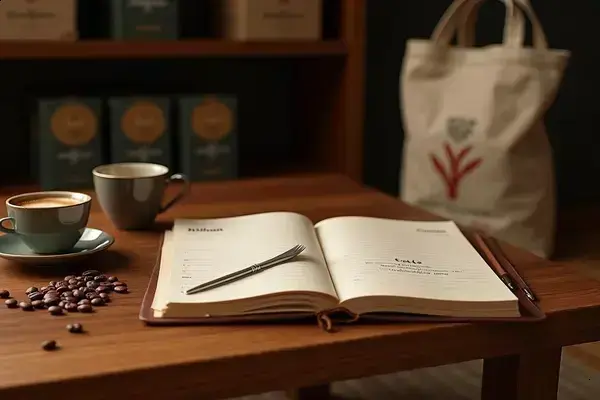
- What’s Included: A template page for each tasting, with prompts for brew method, bean origin, grind size, water temp, ratios, aroma, taste, body, finish, and personal notes.
- How Often to Fill It Out: You can use it daily, weekly, or whenever you try a new bean or technique—there are no wrong answers here.
- Where and How to Store: Keep printed pages in a binder, folder, coffee caddy, or just clipped on your fridge. Revisit old entries whenever you want to remember a winning cup—or spot trends in your favorites.
- Who Benefits Most: Anyone wanting to remember their best brews, learn faster, or develop their own flavor vocabulary benefits from a printable template. Perfect for beginners and coffee geeks alike.
💡 Pro Tip: Don’t feel pressured to fill out every field—focus on the sections that excite you, and let the journal reflect your personal coffee journey. According to World Coffee Research, the most effective logs are the ones you’ll actually revisit.
Customizing Your Coffee Journal Template
In practice: Imagine personalizing your template for espresso tasting—maybe you add a spot for “crema color” or shot time. Or, if you only brew pour-overs, you can remove the espresso prompts entirely. The best printable templates are editable before printing or hand-customizable as you go.
| Section | What To Record | Customize? |
|---|---|---|
| Brew Method | V60, French Press, Espresso, etc. | Yes |
| Flavor Notes | Berries, chocolate, citrus, etc. | Yes |
| Personal Reflections | How did you feel? What would you change? | Always |
Small steps, repeated consistently, make the biggest difference over time. Once your printable template becomes a habit, each cup becomes an experiment worth savoring.
Your Perfect Cup Is Closer Now
If you take just one thing from this guide, let it be: using a coffee journal template printable turns random sips into actual progress. Tracking details matters, reflecting on each cup sharpens your palate, and a journal you enjoy using will keep you on track.
Before now, every brew might’ve felt like trial and error—lots of hope, little consistency. But with your journal in hand, every cup is a step toward discovering flavors you truly love. It’s simpler than it sounds. Just a few notes every day can completely change your experience. You’ve got what it takes to brew like a pro.
What will you jot down in your coffee journal first—your favorite beans, a wild new flavor note, or maybe your morning routine? Tell us in the comments below. We can’t wait to hear about your journey!

Ethan Cole Hargrove is a pour over coffee enthusiast, specialty coffee writer, and the founder of this blog — built for anyone who has ever tasted a truly great cup of coffee and wanted to understand exactly how to make it at home.
Ethan’s coffee journey started the way most do — with a supermarket blend and a cheap drip machine. Then one morning at a specialty café, a barista handed him a pour over and everything changed. The clarity, the complexity, the way the same bean could taste completely different depending on how you brewed it. He was hooked.
What followed was years of testing every dripper, grinder, kettle, and filter he could get his hands on. Comparing Chemex vs V60 vs Kalita. Dialing in grind size by the click. Learning why water temperature matters more than most people think. Building a morning ritual around a process that is as meditative as it is delicious.
Ethan is not a Q Grader, certified barista, or