You wake up craving that perfect cup only to find your coffee tastes—well, kind of dull. Sound familiar? Maybe you’ve wondered if your gear is the problem.
The truth is, using the wrong grinder leaves you stuck with inconsistent grounds and flat flavors. It’s frustrating watching expensive beans go to waste because your morning brew just isn’t living up to expectations. No one likes starting their day on a bitter note.
Stick with me—by the time you finish this coffee grinder guide beginners, you’ll finally know exactly how burr and blade grinders shape your daily cup. Ready for the kind of coffee that makes you smile before the first sip? Here’s where that journey begins.
Why The Right Grinder Changes Everything
Ever wondered why two cups of coffee—same beans, same water, but different grinders—taste completely different? It’s not just your imagination. The grinder you choose isn’t just another gadget; it’s the linchpin that determines how much you actually enjoy your daily brew. And honestly? Most people never realize how big a deal this is until they’ve tasted the difference in their own kitchen.
When coffee beans are ground unevenly, you end up with a mix of fine dust and big chunks—what baristas warn against as ‘inconsistent extraction.’ That fancy term just means one sip tastes sharp and sour, the next dull and muddy. According to the Specialty Coffee Association, uniform grind size is one of the top drivers of flavor consistency. It impacts everything from sweetness to acidity to the body of your cup.
💡 Pro Tip: For beginners, investing in a quality grinder often makes a bigger impact than splurging on top-shelf beans. The right grinder lets your chosen roast shine, every single time.
Picture this scenario: You grab your go-to bag of medium roast and run it through that old blade grinder Mom gave you. The outcome? A mess of powder and pebbles. Now, try those same beans in a burr grinder—even if it’s your first time. Suddenly, your coffee blooms with balanced notes you’ve never tasted at home. That’s the power of consistent grind size working behind the scenes.
| Grinder Type | Taste Result | Consistent Extraction? |
|---|---|---|
| Blade Grinder | Unpredictable, bitter or weak | No |
| Burr Grinder | Clear, rich, flavorful | Yes |
In practice: John, a coffee lover who’d always bought expensive beans, switched to a mid-range burr grinder just last month. He swears it’s the first time his homemade coffee finally matches the flavor he used to only get at his favorite café. The science backs him up, too—consistent grind equals better extraction, and better extraction means better coffee all around.
But there’s one detail most owners completely overlook until it’s too late…
Understanding Burr Grinders: What Sets Them Apart
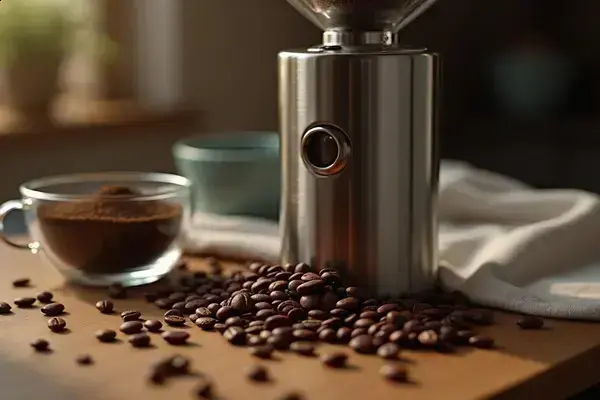
Why do coffee lovers rave about burr grinders? It’s all about precision—and consistency. Burr grinders use two abrasive surfaces (called burrs) to crush beans with uniform pressure. Instead of chopping, they deliver a consistent grind size that’s vital for great extraction. You’ll taste the difference immediately—smoother, richer coffee every single time.
Burr grinders come in two main styles: flat burr and conical burr. Flat burrs are, as the name suggests, parallel discs that pulverize the beans between them. Conical burrs use a cone-shaped surface that fits inside a ring, guiding beans downward as they’re ground. The result? Both styles minimize heat and static, protecting delicate coffee oils and keeping flavors vibrant.
💡 Pro Tip: Choose a burr grinder with adjustable grind settings. The more increments it offers, the more control you’ll have over extraction—crucial if you like experimenting with espresso, French press, or pour-over. According to the Specialty Coffee Association, grind precision is the top factor influencing cup quality in home brewing.
Picture this scenario: Julia, a weekend barista, upgraded to a conical burr grinder after years with a blade model. She noticed her French press finally gave her sweet, complex notes instead of sour or bitter surprises. Even her cold brew tasted cleaner with less bitterness. All it took was swapping the grinding tech—her beans stayed the same.
- Flat Burr: Often found in commercial settings, delivers excellent accuracy but can be a bit noisier.
- Conical Burr: Quieter and easier to clean; ideal for home use and less likely to clog.
Cleaning your burr grinder regularly is key to keeping flavors fresh and your device running smoothly—just brush the burrs and clear old grounds every couple of weeks. For safety and maintenance details, the National Coffee Association recommends unplugging the grinder before cleaning, and checking for worn parts at least every six months.
But here’s what surprises most beginners: not all burr grinders are created equal, and some will shape your coffee ritual in ways you never expected…
Blade Grinders: Pros, Cons, And When To Use Them
Should you really use a blade grinder if you care about your coffee? It’s a fair question—especially since blade grinders seem so affordable and easy to find at any store. The truth is, these gadgets offer a quick fix and a low upfront cost, but they come with noticeable trade-offs that aren’t always obvious at first glance.
Blade grinders work like tiny blenders: a spinning metal blade chops beans into smaller pieces. Unlike burr grinders, you don’t get a uniform grind size—just a mix of fine powder and coarse chunks. According to the National Coffee Association, this inconsistency makes even extraction nearly impossible, often leading to bitterness or odd flavors in your cup.
- PROS: Fast, compact, budget-friendly, and easy to use for grinding spices as well as coffee beans.
- CONS: No control over grind size, generates heat that can scorch delicate beans, creates lots of static (hello, messy countertop).
⚠️ Important Warning: Never run your blade grinder for more than 20 seconds at a time. Extended grinding not only burns the coffee but can overheat the electric motor—check your owner’s manual for recommended usage cycles.
Picture this scenario: Mark lives in a tiny apartment and just wants his morning drip brew without a fuss. His blade grinder handles the job, even if some mornings the flavor’s a bit off. He’s not pulling single-origin espresso shots—just brewing something basic as he heads out the door. For quick, no-fuss convenience or spices, a blade grinder totally works.
| Criteria | Blade Grinder | Best Use |
|---|---|---|
| Price | Low ($15-$40) | Entry-level, travel, occasional use |
| Grind Consistency | Uneven | Standard drip, cold brew (less critical) |
| Cleaning | Simple | Multi-purpose/kitchen generalist |
What actually works might surprise you…
How To Choose The Best Grinder For Your Coffee Style
So how do you know which coffee grinder is the right fit for your daily routine? Choosing comes down to your brewing method, taste preferences, and—of course—your budget. There’s no one-size-fits-all, but there is a smart way to decide. The key is matching grind consistency and adjustability to the way you like your coffee, whether you’re into espresso, French press, or a classic drip brew.
- Identify your brewing style. Are you all about French press, obsessed with pour-over, or just looking for a quick drip coffee fix?
- Set your budget. Burr grinders range from $50 to $300+; blade grinders can be found for under $40. Decide what’s comfortable—and sustainable—for you.
- Evaluate grind settings. If you switch methods often, choose a grinder with multiple (ideally stepless) settings for fine-tuning.
- Check out user reviews. Look for models like the Baratza Encore (electric burr), Hario Skerton Pro (manual burr), and Krups Fast Touch (blade) on trusted specialty sites.
- Prioritize build and maintenance. Stainless steel burrs last longer, but ceramic burrs stay sharper. Do you want easy cleaning? That matters, too.
- Burr grinder: Best for espresso and pour-over, prized for precision and flavor clarity.
- Blade grinder: Ideal for cold brew and basic drip machines, where consistency isn’t critical.
- Manual options: Great for travel or small kitchens—plus, they’re quieter and don’t require electricity.
💡 Pro Tip: If you’re upgrading from blade to burr, choose a grinder with a removable hopper and easy-access burrs. According to the European Coffee Brewing Centre, simple cleaning makes a huge difference in day-to-day performance and cup quality.
| Grinder Type | Best For | Maintenance |
|---|---|---|
| Burr (Electric) | Espresso, pour-over | Medium—check burrs every 6 months |
| Blade | Drip, cold brew | Simple—wipe with brush each week |
| Manual Burr | Travel, French press | Low—disassembles for easy cleaning |
In practice: Evan’s mornings got a lot simpler after switching to a manual burr grinder for his weekend French press and an electric burr for weekday espresso shots. He spends less time fussing and more time enjoying his cup. And this is exactly where most people make the most common mistake…
Simple Steps To Improve Your Daily Grind At Home
Ever wish your morning coffee tasted just a little brighter or bolder? Fixing your daily grind—literally—can change everything you taste in the cup. The best part? You don’t need fancy gear or a barista’s skill set to start seeing real improvements. Consistency and little adjustments make all the difference over time.
- Measure your coffee beans before grinding. Start with 18-20 grams for a standard cup; using a kitchen scale takes the guesswork out and ensures repeatable results.
- Choose the right grind setting. Adjust for your brew method—coarse for French press, medium for drip, fine for espresso. Most burr grinders label these settings clearly, while with blade grinders, you’ll need to pulse just enough to avoid overgrinding.
- Clean your grinder regularly. Oil residues and old grounds dull flavors fast. Unplug your grinder and use a small brush every week for maintenance; deep clean monthly. The Specialty Coffee Association recommends cleaning after every bag of beans for peak taste.
- Store beans in an airtight container. Exposure to air and light causes rapid staleness. Keep beans in a ceramic or stainless steel canister to protect delicate oils.
- Grind just before brewing. Freshly ground beans hold aromas that fade within minutes. For the richest cup, make grinding the last thing you do before brewing.
- Kitchen scale (digital or analog)
- Burr or blade grinder, cleaned and ready
- Brush for easy cleaning
- Airtight storage container
- Your favorite whole-bean coffee
💡 Pro Tip: Keep a simple notebook nearby and jot down coffee weight, grind setting, and flavor notes each morning. Small tweaks each week can dial in the perfect cup almost automatically.
In practice: Michelle got tired of inconsistent coffee and started weighing her beans and cleaning her grinder often. Now, her weekend pour-overs are balanced every time. Small steps, repeated consistently, make the biggest difference over time.
Your Daily Coffee Just Got Better
If you take just one thing from this coffee grinder guide beginners, let it be: a consistent, proper grind is the secret to unlocking the true flavor in every cup. Choosing between burr and blade grinders matters more than most realize, and small daily habits—like measuring, cleaning, and matching grind to method—make all the difference.
Before, you might’ve wondered why homemade coffee tastes off, or felt stuck guessing about gear. Now you know how each grinder type fits your style, how to adjust for richer brews, and how simple tweaks can seriously level up your mornings. You’ve got the tools. Your coffee will thank you.
What’s the first upgrade or tweak you’ll try—new grinder, better beans, or just a cleaner setup? Share your plans below! Let’s talk brewing tips in the comments ☕️

Ethan Cole Hargrove is a pour over coffee enthusiast, specialty coffee writer, and the founder of this blog — built for anyone who has ever tasted a truly great cup of coffee and wanted to understand exactly how to make it at home.
Ethan’s coffee journey started the way most do — with a supermarket blend and a cheap drip machine. Then one morning at a specialty café, a barista handed him a pour over and everything changed. The clarity, the complexity, the way the same bean could taste completely different depending on how you brewed it. He was hooked.
What followed was years of testing every dripper, grinder, kettle, and filter he could get his hands on. Comparing Chemex vs V60 vs Kalita. Dialing in grind size by the click. Learning why water temperature matters more than most people think. Building a morning ritual around a process that is as meditative as it is delicious.
Ethan is not a Q Grader, certified barista, or