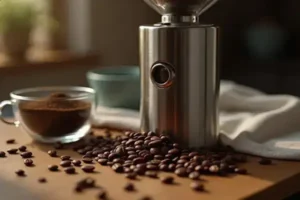

Picture this: you brew your favorite coffee at home, but something’s off — a dull taste that just won’t go away. No one’s got time for disappointing coffee, right?
Here’s the thing: skipping your cleaning routine does more than just affect flavor. You end up with stained carafes, clogged filters, or worse, expensive equipment repairs. Once you’ve tasted the difference, you can’t un-taste it.
By the end, you’ll walk away with a coffee cleaning routine checklist that makes every cup taste like it should. Stick around and see how much better your mornings can be.
Why Clean Coffee Equipment Really Matters
Ever noticed how your morning coffee starts tasting oddly bitter or just plain flat after a few weeks? Here’s the thing — it’s rarely your beans, grinder, or even your technique. Most of the time, it’s the hidden buildup inside your coffee equipment. Even brand-new gear can turn lackluster fast if you skip regular deep cleaning.
According to the National Coffee Association USA, oils from coffee grounds and mineral deposits from water form a sticky residue that not only destroys rich flavor but can also harbor mold or bacteria. Those unseen layers affect both taste and machine lifespan. And honestly? You’ll spend a fortune fixing or replacing gear if you let it slide for too long.
💡 Pro Tip: The Specialty Coffee Association recommends cleaning coffee makers, grinders, and espresso machines at least once a week to maximize both performance and safety.
Picture this scenario: you invest in a high-end espresso machine, convinced it’ll deliver café-level drinks every time. For a month or two, everything’s golden. Then—suddenly—shots run slow, your latte has a burnt aftertaste, and your machine steams less powerfully. You dig into forums and see ‘descale,’ ‘backflush,’ and ‘deep clean’ everywhere. Turns out, skipping routine maintenance is the #1 cause of early breakdown.
If you use filtered water, you might wonder, “Do I really need to clean as often?” The answer is yes. Filtered water only slows mineral buildup — it doesn’t prevent coffee oils or microbial contaminants. Health experts at Johns Hopkins Bloomberg School of Public Health remind us: even when your carafe ‘looks’ clean, bacteria and mold can develop invisibly, especially in hard-to-reach parts like valves, spouts, and filter baskets.
- Better Taste: No buildup dulling the flavor
- Longer Equipment Life: Prevent clogs and breakdowns
- Consistent Performance: Shot times, grind quality, and extraction stay reliable
- Safer Drinking: Less risk of bacterial or mold contamination
- Warranty Protection: Manufacturers often require upkeep for coverage
In practice: baristas at top cafés log every cleaning task on a visible checklist — and most swear that their best-tasting espresso comes right after cleaning day.
But there’s one detail most owners completely overlook until it’s too late…
Essential Tools For Effective Cleaning
Ever wondered why some baristas never struggle with gunked-up group heads or grimy carafes? Their secret isn’t just elbow grease — it’s having the right cleaning gear on hand. Each tool plays a crucial, targeted role, cutting your effort and boosting results so your equipment stays close to “like new.”
If you’ve only used a kitchen sponge and dish soap, you’re definitely missing out. Here’s a quick rundown of essential tools any coffee enthusiast (or commercial café owner) should keep stocked:
- Group Head Brush: Specially angled, stiff bristles to scrub espresso machine crevices and gasket grooves.
- Grinder Cleaning Pellets: Food-safe, dry tablets that safely remove trapped oils from grinder burrs — no disassembly needed.
- Descaling Solution: Liquid or powder, designed to dissolve limescale inside boilers and pipes (never substitute with basic vinegar).
- Microfiber Cloths: Lint-free, ultra-absorbent for wiping steam wands, hoppers, and exterior surfaces without leaving scratches.
- Backflush Detergent: Professional-grade powder for deep-cleaning espresso machines. Safely strips away invisible oils and residue.
💡 Pro Tip: The Specialty Coffee Association recommends using dedicated coffee cleaning supplies (like Cafiza by Urnex or Puly Caff Plus) instead of home cleaners. These break down coffee residue more effectively and protect machine seals.
Picture this scenario: It’s Sunday morning and you want to impress friends with top-notch espresso. But yesterday’s attempt left steamed milk caked onto the wand, and oily residue clings inside your grinder. Instead of panicking, you reach for your kit — group head brush, descaler, a microfiber towel, and some cleaning tablets. Ten minutes later, every part gleams. Your shots taste crisp again, and your friends are raving.
| Tool | Best For | Pro Tip |
|---|---|---|
| Group Head Brush | Espresso machine heads & seals | Sanitize with boiling water weekly |
| Grinder Cleaning Pellets | Removing oil/grounds inside burrs | Run pellets when switching bean types |
| Descaling Solution | Limescale removal in boilers/pipes | Follow manufacturer schedule for best results |
| Microfiber Cloths | Exterior & steam wand cleaning | Use separate towels for milk and coffee |
| Backflush Detergent | Thorough internal espresso cleaning | Never substitute with dish soap |
According to consumer guidance from Coffee Quality Institute, investing in purpose-made cleaning tools not only extends your equipment’s lifespan but also keeps your drinks safer and tasting their best.
What actually works might surprise you…
Step-By-Step Coffee Gear Cleaning Routine
Ever wondered why your home espresso sometimes tastes vibrant and balanced, yet other days it’s muddy or just… off? The difference is almost always in the care of your gear, not the beans. Routine cleaning doesn’t just keep your kitchen tidy — it protects every dollar you’ve spent on that beloved machine or grinder.
- Group head brush
- Grinder cleaning pellets
- Microfiber cloth
- Backflush detergent
- Descaling solution
- Dish soap
⚠️ Important Warning: Never improvise with harsh household chemicals or vinegar in espresso machines; many manufacturers (Rocket, Breville, La Marzocco) state it voids the warranty and can damage internal seals.
- Backflush the Espresso Machine: Insert the blind filter paired with a small spoonful of approved backflush detergent. Run the pump for 10 seconds, pause, and repeat 5 times. Finish with at least five clean water cycles.
- Clean the Group Head and Gasket: Use the group head brush while the machine is still warm to clear out coffee oils from crevices and the gasket. Wipe away any loosened grime with the microfiber cloth.
- Clear and Sanitize the Steam Wand: Purge the wand by steaming into a wet cloth, then soak the tip in hot water mixed with a drop of dish soap for 5 minutes. Rinse thoroughly and repeat a short steam burst before next use.
- Descale the Boiler and Pipes: Prepare the descaling solution to the manufacturer’s recommended concentration. Run it through your machine (or brewer) as directed, then always perform several clear water flushes afterward.
- Clean the Grinder: Run cleaning pellets through empty grinder burrs per product labeling. Brush and vacuum any remaining residue, then reassemble.
- Wipe Down Surfaces: Finish every session by wiping all exposed surfaces with a separate clean, slightly damp microfiber. Pay special attention to drip trays and carafes — those hot, damp spots attract mold fast.
In practice: An avid home barista with a mid-range Gaggia Classic found her espresso sour and steamer weak after just three months. She adopted this simple weekly system and, according to official SCA best practices, saw both flavor and reliability bounce back almost immediately — she even cut down her repair costs.
| Task | Frequency | Time Needed |
|---|---|---|
| Backflush Machine | Weekly | 10 min |
| Descale System | Monthly | 30 min |
| Grinder Clean | Weekly | 5 min |
| Exterior Wipe Down | Daily | 2 min |
| Steam Wand Soak | Every Use | 1 min |
And this is exactly where most people make the most common mistake…
Common Mistakes (And How To Avoid Them)
If you’re frustrated, you’re not alone — most coffee lovers fall into the same cleaning traps without even realizing it. The result? Broken gear, inconsistent flavor, and that slow-brewing dread when your morning cup just isn’t the same.
- Using standard dish soap (which leaves lingering scent and residue, especially in plastics and silicone gaskets)
- Neglecting hidden spots like portafilter spouts or group gaskets — a prime location for stubborn buildup
- Letting water or milk sit overnight in the drip tray or steam wand, risking bacterial growth (backed by guidance from the National Sanitation Foundation)
- Skipping descaling for months (even filtered water causes scaling over time)
- Not following manufacturer schedules or using generic, non-approved cleaning products that damage seals or void warranties
⚠️ Important Warning: Always check your equipment’s manual before cleaning; many popular machines like Breville Barista Express or Gaggia Classic require specific steps to keep warranty valid.
Picture this scenario: It’s late and you forget to rinse your milk jug, so you “just do it in the morning.” Fast forward — you find a crusty layer that dish soap can’t budge and your next flat white tastes suspiciously off. Or maybe you go months without descaling, only to notice slower brew times and a hissing boiler. Suddenly, a simple oversight turns into a costly repair call.
| Mistake | Impact | How to Avoid |
|---|---|---|
| Ignoring drip tray & group gaskets | Breeds mold & odors quickly | Wipe and air-dry daily |
| Overusing harsh chemical cleaners | Breaks down rubber, voids warranty | Use barista-approved products only |
| Rushing grinder cleaning | Oils rancid, flavor ruined | Deep clean burrs monthly |
| Skipping routine descaling | Shortened machine life, performance loss | Follow OEM or SCA guidelines |
Here’s the thing: with specialty coffee equipment, “good enough” cleaning just isn’t enough. Top-tier shops—even at the prosumer level—treat cleaning as seriously as brewing. The Specialty Coffee Association lists incomplete rinsing and infrequent descaling as two of the highest contributors to poor machine performance and taste degradation.
And this is exactly where most people make the most common mistake…
Ready-To-Use Weekly Cleaning Checklist
If you’ve ever told yourself, “I’ll remember to clean it tomorrow,” you know how fast one skipped day becomes a forgotten week. Here’s the truth: a repeatable, visual cleaning checklist removes the guesswork and makes consistent upkeep effortless. It’s like having a blueprint for perfect-tasting coffee, every single time.
This printable checklist covers core equipment—espresso machines, grinders, drip brewers, carafes, and milk frothers. It works for home users, office kitchens, and even busy specialty cafés. Simply print or save it to your phone, laminate if you’re splatter-prone, and check items off as you go. Update at the start of each week. Hang it by your coffee corner or pin to your fridge for zero excuses.
💡 Pro Tip: The Specialty Coffee Association recommends documenting completed cleaning tasks. Not only does this keep routines on track, but it also quickly highlights when something’s falling behind—saving you future troubleshooting headaches.
| Task | How Often | Check When Done |
|---|---|---|
| Backflush espresso machine with detergent | Weekly | [ ] |
| Brush and soak group head & gasket | Weekly | [ ] |
| Clean grinder burrs/use pellets | Weekly | [ ] |
| Descale machine/boiler | Monthly | [ ] |
| Soak and scrub drip tray | Weekly | [ ] |
| Wipe exterior surfaces/microfiber | Daily | [ ] |
| Flush steam wand in hot water | Daily | [ ] |
| Rinse and sanitize carafes | Daily | [ ] |
In practice: a small tech startup hung this checklist above their communal coffee station and saw equipment downtime drop and morale rise. Turns out, having one friendly list makes even reluctant cleaners pitch in (no more passive-aggressive notes about crusty milk on the steam wand).
This tool is most valuable for shared spaces or anyone who juggles different brewing styles—just add your own quirks or specialty gear. Personalize your printout and you’ll never forget what matters.
Once this is in place, the rest of the routine falls into place naturally.
Your Clean Coffee Routine Starts Here
If you take just one thing from this guide, let it be: a consistent coffee cleaning routine checklist transforms both your gear and every cup you brew. The three big takeaways? Use the right cleaning tools, build new habits with a checklist, and never underestimate the impact of small missed details.
Before this, cleaning your coffee equipment probably felt confusing, time-consuming, or even easy to skip. Now you’ve got a simple path to sparkling machines, better taste, and longer-lasting gear. You know exactly what to do, how often to do it, and why it truly matters. That before-and-after is huge — and it’s all you.
What’s the one cleaning task you always forget, or the biggest mess you’ve had to tackle? Share your story in the comments — your pro tip might help the next coffee lover!

Ethan Cole Hargrove is a pour over coffee enthusiast, specialty coffee writer, and the founder of this blog — built for anyone who has ever tasted a truly great cup of coffee and wanted to understand exactly how to make it at home.
Ethan’s coffee journey started the way most do — with a supermarket blend and a cheap drip machine. Then one morning at a specialty café, a barista handed him a pour over and everything changed. The clarity, the complexity, the way the same bean could taste completely different depending on how you brewed it. He was hooked.
What followed was years of testing every dripper, grinder, kettle, and filter he could get his hands on. Comparing Chemex vs V60 vs Kalita. Dialing in grind size by the click. Learning why water temperature matters more than most people think. Building a morning ritual around a process that is as meditative as it is delicious.
Ethan is not a Q Grader, certified barista, or