You know the feeling — you spend good money on coffee beans, but somehow your home brew never tastes quite like those unforgettable cups from your favorite café. Is it just magic, or does the method really make a difference?
The truth is, using the wrong brewing technique can rob coffee of its best flavors. Whether you’ve muddled through gritty drip pots or tried endless pour over tips from the internet, it’s easy to end up frustrated and still not get the bold, nuanced flavors you crave.
By the end of this guide, you’ll know exactly how each method works, why your cup tastes the way it does, and how to master both — all thanks to the pour over vs drip coffee guide. Ready to finally taste what you’ve been missing?
How Pour Over And Drip Brewing Methods Really Differ
What really sets pour over and drip coffee apart? Most people think it’s just the equipment — but the differences go deeper, right down to extraction and control. The moment you get both methods side by side, it becomes crystal clear: we’re talking about two distinct brewing philosophies, not just two kitchen gadgets fighting for counter space.
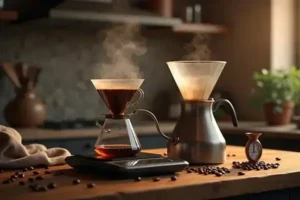
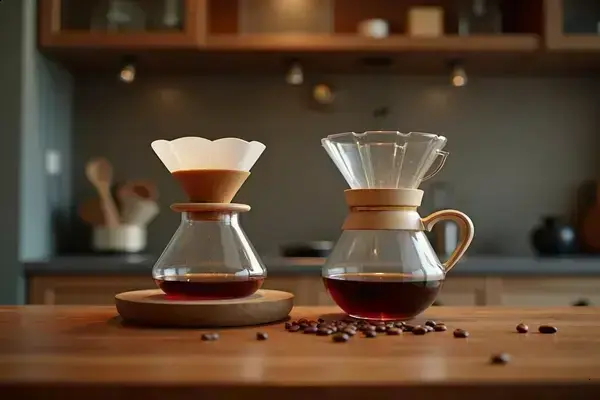
Pour over coffee involves manually pouring hot water over freshly ground beans — usually in a spiral motion — letting gravity pull the water through the coffee and filter, straight into a carafe or mug. It gives you tight control over every variable: water temperature, pouring speed, grind size, and even bloom time. On the other hand, drip coffee makers (like the classic Mr. Coffee or the Technivorm Moccamaster) handle everything for you. Hit a button, and the machine distributes water evenly across the grounds for consistent, but more standardized, results.
💡 Pro Tip: The specialty coffee association, SCA, notes that manual pour over can highlight single-origin beans’ delicate notes, while drip machines tend to balance out flavors — ideal for blends or lower-acidity beans.
- Pour Over: Total brew time often falls between 2.5 and 4 minutes, with the user adjusting for strength and clarity. Tools like the Hario V60, Chemex, or Kalita Wave are favorites among café pros.
- Drip Coffee: Typical machines brew 4-12 cups automatically in 5 to 8 minutes. Brands like Breville Precision Brewer and Bonavita Connoisseur promise temperature stability and convenience, perfect for busy mornings or serving a crowd.
In practice: Picture this scenario — you’re hosting a weekend brunch. For unique, nuanced flavors served one cup at a time, you break out the Chemex and take five minutes to craft each mug. If a dozen friends show up, your reliable drip machine handles it in a single cycle. Each has its place.
| Feature | Pour Over | Drip Coffee |
|---|---|---|
| Brewing Control | Manual, precise | Automated, consistent |
| Flavor Profile | Complex, bright, layered | Smooth, blended, mellow |
| Batch Size | Typically 1-3 cups | 4-12 cups |
The National Coffee Association points out that neither method is inherently superior — instead, each suits different preferences and contexts. But here’s what most new home brewers completely overlook until their third or fourth experiment: the equipment’s quirks and maintenance play a role that can make or break the experience…
Equipment And Setup: What You Actually Need For Each
Ever feel overwhelmed staring at the endless rows of coffee gear? Here’s the truth: only a handful of key items actually affect your final brew. And knowing exactly what you need—plus what you don’t—can be the difference between effortless mornings and constant frustration.
- For Pour Over: You’ll need a dedicated dripper (like the Hario V60, Chemex, or Kalita Wave), a matching paper filter, a gooseneck kettle for controlled pouring, a digital scale for precise measurements, fresh whole beans, a burr grinder for uniform grind size, and a carafe or sturdy mug to catch the coffee. Optional but appreciated? A temperature-controlled kettle for dialing in flavor and a timer if you want to geek out on brew time.
- For Drip Coffee: It’s more streamlined. You’ll want an automatic drip machine (Breville Precision Brewer, Bonavita Connoisseur, or Technivorm Moccamaster are trusted), basket-style or cone filters that match your machine, pre-ground or freshly ground beans, and access to clean, filtered water. Many higher-end brewers even feature built-in water filters and programmable start times for busy routines.
💡 Pro Tip: According to the Specialty Coffee Association, a high-quality burr grinder is one of the single biggest upgrades for home brewers—regardless of method. Consistent grind = more predictable extraction.
- Gather Your Gear: Pick your dripper or machine, filter, grinder, and coffee.
- Weigh and Grind Beans: For pour over, aim for 15-20g per cup; coarse grind for drip, medium-fine for pour over.
- Heat Water: Use a kettle or let your drip machine do it. For pour over, target 195–205°F (90–96°C).
- Set Up the Filter: Rinse your filter with hot water to remove papery taste and preheat equipment.
- Add Grounds and Brew: Place grounds in the filter. Pour over: spiral motion, control the flow; drip: press start and let automation handle it.
In practice: You’re groggy on Monday—do you want hands-on ritual or push-button speed? Maybe you crave both on different days. Setups can flex, but understanding your tools pays off every time. The National Coffee Association recommends routine descaling and filter changes for machine longevity—skipping this step leads to flat taste and more cleaning headaches later.
But here’s what actually works to unlock exceptional coffee—and it’s all about dialing in your brew method next…
Step-By-Step: Brewing The Best Cup With Both Methods
Want to brew a cup that actually lives up to your favorite café—at home? Here’s the thing: both pour over and drip coffee get dramatically better with the right process. Whether you want meditative ritual or quick convenience, following clear steps makes all the difference.
- Pour Over Essentials: Dripper (Hario V60/Chemex/Kalita), gooseneck kettle, burr grinder, digital scale, timer, fresh beans, filter, carafe or mug.
- Drip Coffee Essentials: Automatic coffee maker (Technivorm Moccamaster/Breville/Bonavita), basket or cone filters, grinder, coffee, water.
- Weigh and Grind: Use 15–20g coffee per 250ml. Go medium-fine for pour over, medium-coarse for drip.
- Set Up Filter: Rinse the paper filter with hot water. This preheats and removes papery flavors—skip this, and you’ll taste it.
- Add Coffee Grounds: Evenly distribute them in your filter. Flat bed means even extraction!
- Heat the Water: For pour over, heat between 195–205°F. Drip machines handle this step for you, but let them preheat fully.
- Brew: Pour Over: Start with a quick “bloom”—pour twice the coffee’s weight in water, wait 45 seconds, then spiral pour the rest in slow, controlled circles. Drip: Add water, click start, and walk away.
- Serve Immediately: Freshness matters—coffee loses aromas fast. Swirl, sniff, and sip while hot.
💡 Pro Tip: The National Coffee Association recommends grinding just before brewing for the biggest jump in taste. That one switch beats buying more expensive beans!
In practice: Picture this scenario—it’s Sunday morning. You’re craving something special. Instead of guessing, you follow the exact pour over steps and suddenly notice citrus and floral notes you never knew your beans had. Or, it’s Monday—groggy and rushed, you queue up your drip maker the night before, ready for a perfectly timed hot pot. Adapting your process to your needs can become a real joy.
And this is exactly where most people make the most common mistake…
Comparing Taste, Aroma, And Brew Consistency Side By Side
How much can a brewing method really change your coffee’s flavor and aroma? More than you’d ever expect. It’s not just subtle: the difference hits you the moment the cup reaches your nose.
With pour over, you often get a cup that’s bright, clean, and layered. That’s thanks to manual pouring, which lets you bloom the grounds and control saturation—highlighting delicate fruit, floral, and citrus notes, especially in single-origin beans. Drip coffee makers, meanwhile, favor comfort and uniformity. Their automatic extraction softens sharper flavors for a smooth, blended cup that seldom surprises, but offers real everyday reliability.
💡 Pro Tip: The Specialty Coffee Association recommends blind taste tests at home—brew a pour over and drip from the same beans, then swap mugs and write down your impressions before guessing which is which. You’ll be surprised how nuanced your palate becomes.
| Aspect | Pour Over | Drip Coffee |
|---|---|---|
| Taste | Bright, complex, vibrant acidity | Smooth, consistent, mellow blend |
| Aroma | Intense, pronounced, often floral/fruity | Gentle, warm, classic roast notes |
| Consistency | User-dependent, high if experienced | Very repeatable, automation removes variables |
In practice: Picture this scenario—you pour two cups from the same high-quality Ethiopian beans. The pour over bursts with jasmine and citrus but has a crisp, almost tea-like mouthfeel. The drip? Mellow and chocolatey, less punch but easier to drink with breakfast. Flavor perception isn’t only personal, it’s shaped by method.
The National Coffee Association’s guidance is clear: neither is categorically better. Instead, your priorities—adventure versus predictability, clarity versus comfort—should guide your choice. But there’s one detail most owners completely overlook until it’s too late…
Which Method Wins? Choosing The Right Fit For Your Morning Ritual
So, which coffee method should end up in your daily lineup? The answer isn’t universal — it’s deeply personal, shaped by your priorities, pace, and palate. Choosing between pour over and drip coffee isn’t about finding the “best” overall — it’s about matching brew to lifestyle and mood.
| Profile | Best Fit | Why |
|---|---|---|
| The Ritualist | Pour Over | Hands-on, meditative, highlights subtle flavors |
| The Multitasker | Drip Coffee | Set-and-forget, brews in bulk, consistent results |
| The Adventurer | Pour Over | Maximum control over strength, body, aroma |
| The Crowd-pleaser | Drip Coffee | Quick, reliable, serves groups or offices |
💡 Pro Tip: According to the Specialty Coffee Association, it’s often not about one method “winning” — many coffee pros keep both a high-end drip machine and a classic pour over for different moods or guests.
In practice: Picture this scenario — weekday morning, you’re bleary-eyed, need several cups fast, and appreciate predictability. Drip is your hero. But come Saturday, when the world slows down and you want to savor a single origin’s wild floral notes? That’s pour over’s time to shine.
- Savor and Explore: Pick pour over if you love experimenting and want to develop your brewing skills.
- Efficiency and Comfort: Choose drip for large households or when time and volume outrank nuance.
- Mood-Based Variety: Many enthusiasts keep both methods and decide by mood, not rules.
The National Coffee Association points out: neither method is “winning” forever. The right habits in place now make everything easier from here.
Your Coffee Ritual, Upgraded
If you take just one thing from this pour over vs drip coffee guide, let it be: the best cup comes from matching your method to your mood and morning pace, not chasing someone else’s “perfect” brew. We’ve seen the core gear, learned step-by-step how to brew, and finally tasted the real differences side by side.
Maybe in the past, coffee at home felt hit or miss—sometimes bitter, sometimes bland, and never quite like the café. Now you know what gear matters, how to control flavor, and when each style shines. Your mornings could feel more grounded, more delicious, and totally your own. That’s a win.
Which method are you most excited to master — hands-on pour over, easygoing drip, or maybe both? Tell us in the comments and share your favorite coffee rituals!

Ethan Cole Hargrove is a pour over coffee enthusiast, specialty coffee writer, and the founder of this blog — built for anyone who has ever tasted a truly great cup of coffee and wanted to understand exactly how to make it at home.
Ethan’s coffee journey started the way most do — with a supermarket blend and a cheap drip machine. Then one morning at a specialty café, a barista handed him a pour over and everything changed. The clarity, the complexity, the way the same bean could taste completely different depending on how you brewed it. He was hooked.
What followed was years of testing every dripper, grinder, kettle, and filter he could get his hands on. Comparing Chemex vs V60 vs Kalita. Dialing in grind size by the click. Learning why water temperature matters more than most people think. Building a morning ritual around a process that is as meditative as it is delicious.
Ethan is not a Q Grader, certified barista, or