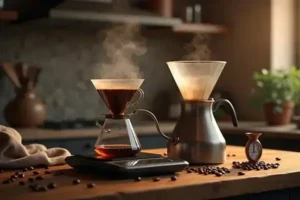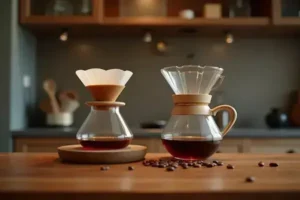
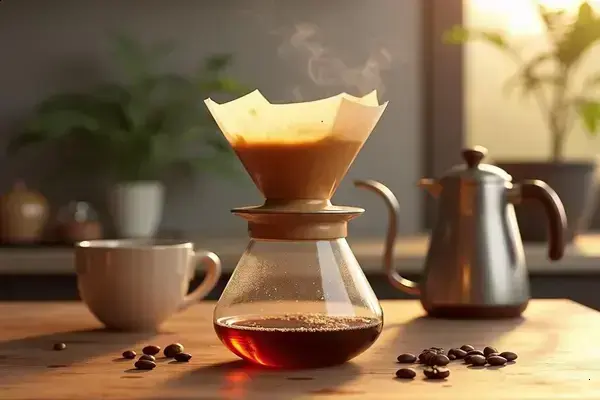
You know that moment—standing in your kitchen, hoping your coffee will finally taste as good as the café’s, but somehow it’s just not quite there? You fuss with the beans, pour the water slowly, but the magic doesn’t happen. Something’s missing, right?
Here’s the thing: pour over coffee isn’t just a trend, it’s a gateway to flavor you might think is out of reach. Most first-timers end up with weak, bitter, or flat coffee—not because they lack fancy gear, but because a few basic steps keep getting overlooked. It’s surprisingly frustrating when your best efforts fall short and mornings feel more ‘meh’ than marvelous.
Stick with me, and by the end you’ll have a real pour over coffee guide beginners can count on—clear steps, foolproof cues, and solutions you can put to work tomorrow morning. Ready for that first game-changing cup? Good—because it’s closer than you think.
What Makes Pour Over Coffee Unique
Ever wondered why pour over coffee somehow tastes brighter, more layered, and honestly just more “alive” than what comes out of a drip machine? It turns out, the secret isn’t magic beans or a café-only skill — it’s about control. Pour over gives you the reins on every variable, from water speed to saturation, letting real flavor shine through.
Picture this scenario: You’re in your kitchen on a lazy Saturday. You measure out fresh beans, grind them right before brewing, and gently pour water in slow spirals over the grounds. As the coffee blooms — releasing hidden aromas — you notice notes of citrus or chocolate that your auto-brewer never brings out. That’s the pour over difference.
💡 Pro Tip: Coffee experts at the Specialty Coffee Association emphasize that controlling pour rate and water temperature (ideally between 195–205°F) enhances extraction and unlocks subtle flavors otherwise masked in automated brews.
The Recipe for Complexity
- Manual Extraction: You’re actively steering brew time, water flow, and agitation, rather than leaving it all to a machine. Little tweaks here result in huge shifts in your cup.
- Freshness Factor: Grinding on the spot preserves the oils and aromatics often lost in pre-ground blends. You’ll taste actual varietal differences — not just “generic coffee.”
- Clarity in Every Sip: Pour over filters are usually finer (think Chemex or Hario V60). This traps bitter sediment but lets the vibrant acids and sugars through, producing an almost tea-like clarity.
| Feature | Pour Over | Drip Machine |
|---|---|---|
| Flavor Complexity | Bright, clear, nuanced | Muted, sometimes muddy |
| Control Level | High (user-driven) | Low (pre-set machine) |
| Brewing Ritual | Hands-on, intentional | Passive, “set and forget” |
In practice: when you build your cup step by step, you unlock little surprises — a floral aroma here, a pop of berry there — that most home coffee routines just gloss over. The National Coffee Association agrees: pour over is ideal for highlighting single-origin beans and light roasts, thanks to its ability to deliver “distinct, clean profiles.”
But there’s one detail most owners completely overlook until it’s too late…
Essential Gear And Ingredients For Beginners
So you’re ready to dive into pour over coffee at home, but don’t want to waste money on things you won’t actually use—sound familiar? The real beauty of pour over is that you only need a handful of tools, but picking the right ones up front makes all the difference.
First, let’s lay it out. The core gear essentials:
- Pour Over Brewer (V60, Chemex, or Kalita Wave)
- Gooseneck Kettle: for steady, precise water flow
- Burr Grinder: for consistent grind size and flavor
- Paper or Metal Filters: matched to your brewer
- Digital Scale: for accuracy (coffee-to-water ratio really matters)
- Fresh Coffee Beans: ideally single-origin for clarity
💡 Pro Tip: According to the Specialty Coffee Association, using filtered water at 195–205°F (not boiling!) and measuring your coffee-to-water ratio precisely will hugely impact your brew. Don’t guess it—measure it!
What about the actual ingredients? There are really just two, but both matter so much more than you’d expect:
- Fresh, High-Quality Coffee Beans (whole bean, roasted in the last 2-3 weeks)
- Filtered Water (removes off-flavors, ensures even extraction)
Choosing Gear: Comparison Table
| Item | Budget Choice | Premium Upgrade |
|---|---|---|
| Pour Over Brewer | Hario V60 (plastic or ceramic) | Chemex (glass, wooden collar) |
| Burr Grinder | Hario Skerton Pro (manual) | Baratza Encore (electric) |
| Gooseneck Kettle | Cosori Gooseneck (electric, budget) | Fellow Stagg EKG (precision, variable temp) |
In practice: Say you grab a Hario V60, a simple hand grinder, and a bag of coffee roasted this week. Even if you’re new, that trio lets you beat most “fancy” coffee shop brews from the first try. You’ll quickly notice that pre-ground supermarket coffee or tap water can make the best brew gear feel disappointing—freshness and water quality really are game-changers.
But what actually works might surprise you…
How To Master The Pour Over Technique
What if you could brew café-quality pour over at home, every single morning—no barista badge required? It comes down to dialing in the fundamentals with calm confidence. The steps themselves are simple, but real mastery means noticing the little details and responding in the moment.
- Pour Over Brewer (V60 or Chemex)
- Burr Grinder
- Gooseneck Kettle
- Fresh Coffee Beans
- Digital Scale
- Filtered Water (195–205°F)
- Timer
- Heat Water: Bring filtered water to 200°F. A temperature-controlled kettle makes this easy, but a thermometer works too.
- Grind Beans: Use a medium-fine setting—think table salt texture. Weigh out 15–20g for a single cup (about 1:15 coffee-to-water ratio).
- Prep Filter & Rinse: Place the filter in your brewer and rinse with hot water to eliminate paper taste and preheat your dripper. Discard rinse water.
- Add Coffee & Zero Scale: Pour ground coffee into the filter. Set your brewer and carafe on the scale, then zero it.
- The Bloom: Start timer. Gently pour just enough water (about twice the coffee’s weight) to saturate grounds. Wait 30–45 seconds—fresh beans will puff up and release gas.
- Spiral Pour: Slowly pour water in even, outward spirals. Pause if the water creeps higher than the grounds. Total brew time should be 2:30–3:30 for a balanced cup.
- Shake & Serve: Swirl the carafe to mix layers for a uniform flavor. Enjoy immediately.
💡 Pro Tip: If your coffee tastes overly sour or watery, try a finer grind or lengthening the brew time. For bitterness, coarsen your grind or pour a bit faster. The Specialty Coffee Association backs this: tiny tweaks in grind or pour have a huge effect on final flavor.
In practice: imagine you’re making your fourth pour over this week. You tweak your grind just a touch finer, watch the bloom, and this time—boom—your cup pops with rich caramel and gentle tartness. That “aha!” moment hits hard.
And this is exactly where most people make the most common mistake…
Troubleshooting Common Pour Over Mistakes
Ever find yourself asking, “Why does my pour over taste off—even when I follow every step?” The truth is, most brewing struggles come down to just a few fixable mistakes. Don’t worry: you’re not alone, and you absolutely can turn things around with a little know-how.
Top Pour Over Pitfalls (And How to Fix Them)
- Sour or Watery Coffee? Your grind is probably too coarse, or you’re not brewing long enough. Try a finer grind or extend your brew by 30–45 seconds.
- Bitter or Astringent Taste? This often means your grind is too fine, or water is too hot. Use a coarser grind and keep water between 195–205°F.
- Inconsistent Results? Make sure your pour rate is steady. Rushing or flooding disrupts extraction—and trust me, even seasoned baristas double-check this.
- Flat or Boring Flavor? Old beans or poor water can mute flavors. Use fresh coffee roasted within 2-3 weeks and filtered water.
- Slow Draining? Filters can clog with superfine grinds. Gently shake the dripper after pouring to redistribute grounds, or use a slightly coarser grind.
⚠️ Important Warning: According to the National Coffee Association, over-extraction happens when water sits on the grounds too long, leading to a harsh aftertaste. Adjust pour speed and grind to avoid this common error.
| Mistake | What It Causes | Quick Fix |
|---|---|---|
| Sour | Under-extraction | Finer grind, longer brew |
| Bitter | Over-extraction | Coarser grind, reduce water temp |
| Sluggish Drain | Clogged filter | Shake dripper, adjust grind |
In practice: imagine a Saturday morning—you finally splurge on single-origin beans, only to end up with sour coffee that makes you wince. You tweak your grind the next morning, slow your pour, and bam—every flavor note pops. That’s the beauty of pour over: every adjustment is a genuine fresh start.
And this is exactly where most people make the most common mistake…
Tips To Elevate Your Home Brewing Experience
Ready for your pour over coffee to go from “pretty good” to “wow, I’d pay for this”? That leap isn’t about buying more gear—it’s about building small, repeatable habits that maximize every delicious detail in the cup right at home. Here’s how to truly elevate your daily ritual.
- Keep Your Grinder Clean: Old grounds and oil buildup can deaden flavor over time. Brush out burrs weekly for consistently fresh-tasting brews.
- Dial In Your Recipe: Consistency unlocks pro results. Use a digital scale every time—don’t just eyeball amounts. Most pros brew with a 1:15 to 1:17 coffee-to-water ratio, adjusting by taste.
- Play With Water: Water makes up 98% of your cup. Experiment with bottle or filtered water brands—like Third Wave Water, which the Specialty Coffee Association recommends for home baristas seeking optimal extraction.
- Warm Everything First: Preheat your brewer, carafe, even cup. Hot gear keeps temperature steady and flavor vibrant, especially in cooler kitchens.
- Document What Works: Keep a simple notebook or app with your ratios, times, and tasting notes. Over time, you’ll spot which tweaks produce your absolute favorite brew.
💡 Pro Tip: Try a “coffee flight” at home: brew the same beans in two devices (V60 and Chemex, for instance) and taste them side-by-side. The National Coffee Association notes that subtle device differences can highlight chocolate, fruit, or spicy notes in your beans.
Coffee Rituals That Matter
In practice: picture this scenario—one morning, you rinse your filter, preheat your gear, jot down your dose and pour timings, and two weeks later, every cup tastes dialed. Small steps lead to surprising leaps in quality, and it’s gratifying to know you did it yourself—not just copied a YouTube barista.
The right habits in place now make everything easier from here.
Coffee Mornings, Finally in Your Hands
You started this journey maybe feeling a bit lost with pour over—too many gadgets, too many rules. But now you’ve got the essentials down: why pour over stands out, what gear and beans to use, and how to troubleshoot for great flavor. If you take just one thing from this pour over coffee guide beginners, let it be: small tweaks and paying attention truly unlock café-quality coffee at home.
Back then, mornings meant guessing and hoping for good coffee. Now you know what makes the difference—fresh beans, clean water, mindful steps, and your own notes. Every cup can be brighter, and every day starts with a win. You’re not just brewing—you’re creating your own morning ritual.
What’s the one pour over tip or gear tweak you’re most excited to try next? Share your thoughts or questions in the comments—and let’s help each other make every cup better!

Ethan Cole Hargrove is a pour over coffee enthusiast, specialty coffee writer, and the founder of this blog — built for anyone who has ever tasted a truly great cup of coffee and wanted to understand exactly how to make it at home.
Ethan’s coffee journey started the way most do — with a supermarket blend and a cheap drip machine. Then one morning at a specialty café, a barista handed him a pour over and everything changed. The clarity, the complexity, the way the same bean could taste completely different depending on how you brewed it. He was hooked.
What followed was years of testing every dripper, grinder, kettle, and filter he could get his hands on. Comparing Chemex vs V60 vs Kalita. Dialing in grind size by the click. Learning why water temperature matters more than most people think. Building a morning ritual around a process that is as meditative as it is delicious.
Ethan is not a Q Grader, certified barista, or