Ever brewed a pour over that looked perfect but tasted flat or bitter? You’re definitely not the only one—it happens to almost every home barista at some point. That first sip can be a real letdown after all that effort.
Here’s the thing: getting pour over coffee right isn’t just about fancy gear or precise steps. It’s about understanding the little details—like water temperature or grind size—that quietly make or break each cup. When you don’t nail those, your coffee’s potential slips away, and you’re left wondering what’s missing.
Stick with me and you’ll know exactly how to improve pour over coffee, spot the hidden mistakes in your routine, and fix them—one satisfying cup at a time. Ready for your mornings to taste better? Let’s jump in.
Why Your Pour Over Coffee Tastes Off (And How to Tell)
Ever set up your pour over meticulously, only to take that first sip and think, “Wait, why does this taste… off?” You’re not alone—this frustration is more common than you might expect. But what specifically makes a pour over coffee taste bland, overly bitter, or oddly sour?
The truth is: several factors can nudge your brew out of balance, even if the process seems simple. Things like water quality, grind consistency, and tiny temperature shifts play bigger roles than most realize. Yet to a coffee lover, guessing at the problem wastes precious beans—and mornings.
💡 Pro Tip: According to the Specialty Coffee Association, water that’s too hard or too soft can dramatically change extraction and flavor. If plain tap water makes your coffee taste flat, try filtered water optimized for brewing. You’ll notice a remarkable difference—sometimes overnight.
Picture this scenario:
You’re following your favorite YouTuber’s recipe, timing every pour to the second. You measure meticulously and bloom the grounds. Still, your cup is lifeless. Maybe there’s a papery aftertaste, or a harsh edge that ruins the sweetness you hoped for. That’s the real agony of home pour over: unknown variables hiding in plain sight.
- Bland or Weak Flavor: Often caused by under-extraction (water passes too quickly, not enough contact with grounds, or grind is too coarse).
- Bitterness: Likely over-extraction (water stays on grounds too long or grind is too fine), or using water that’s too hot.
- Sourness: Under-extracted again, or maybe water that’s too cool.
| Taste Problem | Main Culprit | How to Spot It |
|---|---|---|
| Bland | Coarse grind, quick pour | Pale color, weak aroma |
| Bitter | Fine grind, hot water | Sharp aftertaste, dark brown hue |
| Sour | Cool water, under-extraction | Bright acidity, mouth-puckering finish |
So, when your pour over isn’t quite right—don’t blame the beans just yet. Dialing in these tiny variables brings you closer to café-level flavor at home, and empowers you to troubleshoot confidently.
But there’s one detail most owners completely overlook until it’s too late…
The Perfect Grind Size: Getting It Just Right
How much does grind size really matter for pour over coffee? Far more than you might guess—it’s the unsung hero behind every balanced cup, and getting it wrong is why so many otherwise great coffees fall flat. If your brew tastes sour, bitter, or indistinguishable from instant, your grind is the first place to look.
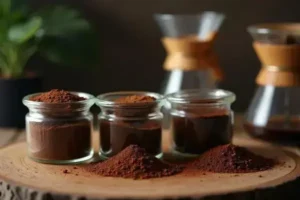
Here’s the thing: the grind doesn’t just affect strength. It directly shapes extraction, unlocking (or blocking) layers of sweetness, complexity, and aroma. Too fine, and your coffee turns sludgy and harsh. Too coarse, and it ends up watery, missing all the rich notes washed away too soon.
- Blade Grinder: Budget-friendly, but chops uneven particles, leading to inconsistent flavors.
- Burr Grinder: Creates uniform grounds for controlled extraction—what most specialty cafes use.
- Hand Mill: Portable and precise; requires more elbow grease but offers home baristas better control.
| Grind Type | Best Use | Drawback |
|---|---|---|
| Coarse | French press, cold brew | Under-extracts in pour over |
| Medium | Pour over, drip coffee | Best balance for extraction |
| Fine | Espresso, moka pot | Over-extracts and clogs filters |
💡 Pro Tip: According to the Specialty Coffee Association, a medium grind (similar to table salt) creates optimal flow and a clean cup for most pour over methods. Always start here, then adjust finer or coarser based on taste and brew time.
In practice: Say you’re brewing with a V60 and notice the coffee drains too quickly—maybe in under two minutes. You taste it, and it’s thin, sharp, no depth. Adjusting your grinder a notch finer can slow extraction, drawing out sweetness and subtle notes. It’s subtle chemistry in action—one click can change everything.
What actually works might surprise you…
Water Matters: Temperature, Quality And Pouring Technique
Ever wonder why your careful pour over still misses that sweet, balanced flavor? Here’s the thing: it might not be your beans or grinder at all—it’s the water. Water makes up more than 98% of your brewed coffee, so every detail counts.
- Temperature: Too hot, you’ll scorch the grounds and pull out bitterness. Too cool, you’ll leave flavors behind—like eating an undercooked cake.
- Quality: Chlorine, minerals, and impurities from tap water ruin clarity and can mute subtle notes. The Specialty Coffee Association recommends filtered water with 75-250 ppm total dissolved solids for ideal extraction.
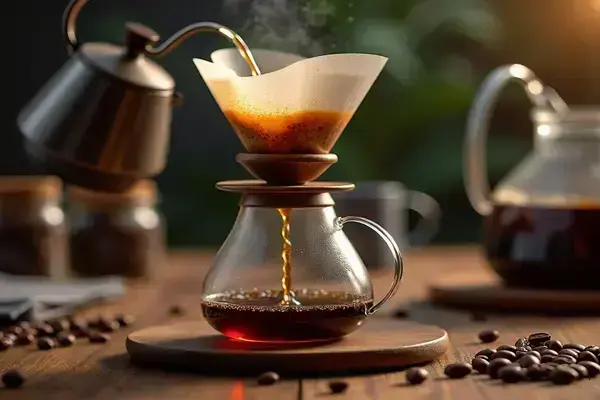
- Pouring technique: Evenness is everything. A fast dump over the grounds leads to patchy extraction, while a steady spiral lets each bit of coffee bloom evenly and delivers the nuances you’re after.
💡 Pro Tip: Use a digital kettle to keep your water between 195°F and 205°F. Consistency is key—going higher or lower by just 5° can make your cup harsh or flavorless.
Picture this scenario: It’s early, and you eyeball the kettle—no thermometer. You pour water just off the boil. The result? Coffee that’s both bitter and sour. Next time, you measure with a thermometer, take a slow, steady spiral pour, and the difference is night and day. Balanced, sweet, even a little floral. No gear upgrade needed—just water dialed in.
| Variable | Perfect Range | Impact |
|---|---|---|
| Temperature | 195-205°F (90-96°C) | Too hot = bitter; too cool = sour |
| Water Hardness | 75-250 ppm | Crisp, clean coffee flavor |
| Pour Speed | 2:30–3:30 min total | Slow, controlled extraction |
And honestly? You don’t need a fancy setup to control these things—just attention to detail. More than one world barista champion credits their success to water management alone, as cited by the World Coffee Events official competition guidelines.
And this is exactly where most people make the most common mistake…
Choosing The Right Filter And Coffee-to-Water Ratio
Ever mess around with different pour over filters and recipes—yet your coffee still doesn’t taste café-level? The culprit might be right in your filter basket or your measuring cup. These two choices shape the clarity and strength of every single cup you brew.
- Filter types: Paper filters (like Hario V60 or Chemex brand) catch oils for a crisp, bright cup. Metal filters (such as stainless steel mesh) allow more natural oils through, giving a heavier mouthfeel and deeper flavors. Cloth filters are a classic option blending some of both worlds but require careful cleaning.
- Coffee-to-water ratio: The Specialty Coffee Association recommends a starting ratio of 1:16 (1 gram coffee to 16 grams water) for balanced extraction. Small tweaks up or down can unlock more body or clarity.
Filter Options at a Glance
| Filter Type | Flavor Profile | Care & Cost |
|---|---|---|
| Paper | Clean, bright, clear | Single-use, affordable, easy |
| Metal | Full-bodied, rich, oils | Reusable, easy clean, higher upfront |
| Cloth | Balanced, smooth, nuanced | Reusable, needs careful washing |
💡 Pro Tip: Rinse any filter thoroughly before brewing. This simple step removes papery or stale flavors—something even baristas at high-end roasters like Counter Culture Coffee always do.
In practice: Picture this scenario—with a paper filter, you use the SCA’s 1:16 recipe and end up with a clear brew that sings with bright notes. Try the same with a metal mesh, and suddenly you taste deeper cocoa, a bigger mouthfeel, maybe even a little oil on your lips. Change your ratio to 1:14 for a bolder cup, or stretch to 1:17 for a lighter, more delicate drink. These minor variables make a dramatic difference when you’re chasing a signature cup.
But there’s one detail most owners completely overlook until it’s too late…
Troubleshooting Common Pour Over Problems In Real Time
You followed every online guide, measured to the gram, and still—something’s off. What do you do when that first sip tastes bitter, watery, or just plain wrong? Real pour over mastery isn’t about perfection; it’s about making confident adjustments on the fly.
- Assess the Taste: Is it sour (under-extracted) or bitter (over-extracted)? Start here and make changes based on the cup itself.
- Check Brew Time: If your coffee drains in under two minutes, your grind is likely too coarse. Over four minutes? Go coarser—otherwise, you’ll extract too much bitterness.
- Adjust Grind and Pour Rate: Finer grinds slow water, boosting extraction. If things are still lackluster, pour slower in tight spirals to let grounds steep evenly.
- Inspect Your Equipment: Old filters, lukewarm water, or an uneven dripper bed create problems. Try freshly rinsed filters and water at 200°F for consistency.
- Reset Your Ratio: Use a digital scale to weigh both coffee and water. Even a 5g shift can turn a flat cup balanced or bold.
⚠️ Important Warning: If you notice an ongoing astringent aftertaste or strong chemical flavors, stop and clean your gear thoroughly. According to the National Coffee Association, soap residue or mineral deposits frequently cause strange, lingering flavors—even with the right beans and methods.
In practice: Picture this scenario—you’re halfway through a pour, and the water starts pooling unevenly. You grab a spoon, gently swirl the grounds, and finish pouring slowly. Suddenly, you notice your cup is smoother, not murky or sharp. That’s real-time troubleshooting, and most pros do small course corrections in every brew session.
- Keep a coffee journal—write down your recipe and how each cup tastes.
- If in doubt, change one variable at a time—never all at once. That’s how seasoned baristas dial in tricky roasts.
The right habits in place now make everything easier from here.
Your Best Brew Starts Here
If you take just one thing from this guide, let it be: little details make the biggest difference in your pour over coffee. Dial in your grind size, water technique, and filters—and you’ll go from bland cups to barista-level flavor at home. Consistency wins every time.
Before, maybe your pour over felt like a mystery—sometimes it worked, other times it just… didn’t. Now, you’ve got clear steps and real fixes. You know how to troubleshoot and adjust. Taste and confidence change with every good cup you brew.
Which pour over tweak are you most excited to try out first? Share your plans in the comments—I’d love to hear how your next cup turns out!

Ethan Cole Hargrove is a pour over coffee enthusiast, specialty coffee writer, and the founder of this blog — built for anyone who has ever tasted a truly great cup of coffee and wanted to understand exactly how to make it at home.
Ethan’s coffee journey started the way most do — with a supermarket blend and a cheap drip machine. Then one morning at a specialty café, a barista handed him a pour over and everything changed. The clarity, the complexity, the way the same bean could taste completely different depending on how you brewed it. He was hooked.
What followed was years of testing every dripper, grinder, kettle, and filter he could get his hands on. Comparing Chemex vs V60 vs Kalita. Dialing in grind size by the click. Learning why water temperature matters more than most people think. Building a morning ritual around a process that is as meditative as it is delicious.
Ethan is not a Q Grader, certified barista, or